
When homeowners discover bees inside their walls, attic, or soffits, the first concern is usually safety. But once the hive is removed, another major problem often remains—honey residue. What many people don’t realize is that leftover honeycomb, wax, and fermented honey can significantly affect a property’s value, cause long-term damage, and even attract new pests.
In this in-depth guide, we’ll break down why honey residue is more harmful than most homeowners think, how it lowers home value, and what steps to take to fully restore your property after a bee infestation. If you want your home to maintain its value and avoid future issues, understanding honey residue is essential.
Why Honey Residue Is a Big Problem After a Bee Infestation
When bees build a hive inside a home—especially in walls or attics—they can leave behind 10 to 60+ pounds of honeycomb. Even after the bees are gone, the honeycomb remains active, melting and leaking as temperatures rise. This can trigger a chain of issues that directly impact the health, safety, and value of your home.
Here’s why honey residue shouldn’t be ignored:
1. Honey Absorbs Heat and Melts
Inside walls or attics, temperatures often get hotter than people expect. Honey melts at around 95°F, which is very common in Florida and other warm states. When honey melts, it seeps into:
drywall
insulation
studs
flooring
electrical boxes
Once honey penetrates these areas, cleanup becomes more complicated and expensive.
2. Fermented Honey Attracts Pests
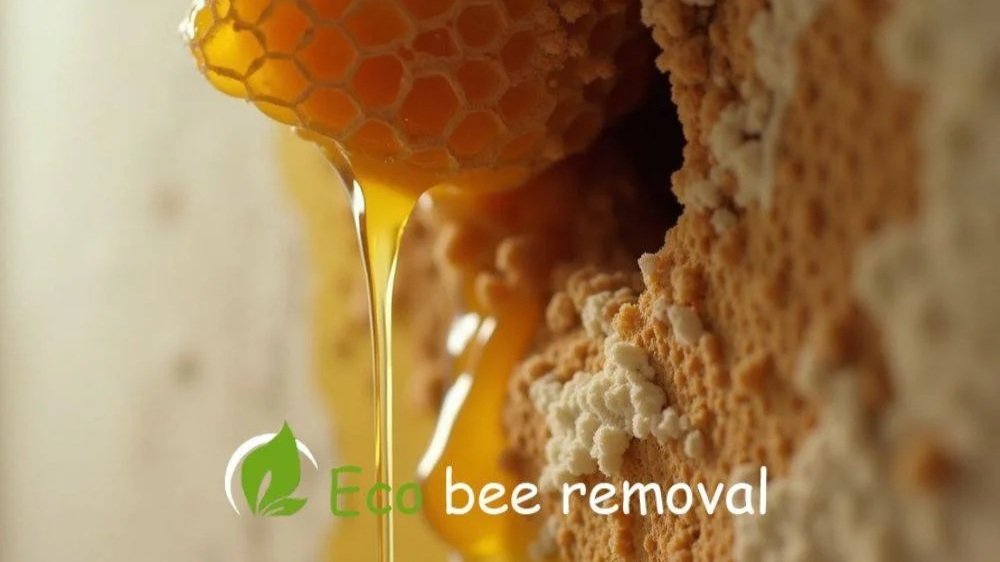
Honey residue is leaking inside a wall after a beehive.
Leftover honeycomb rapidly ferments, creating a strong odor. This attracts:
ants
roaches
moths
rodents
even other swarms of bees
What started as one infestation can quickly become a cycle of pest problems.
3. Wax and Propolis Cause Long-Term Odor
Bees leave more than honey. They also leave behind:
wax
propolis (bee glue)
dead bees
larva casings
mold spores
These materials can produce a strong smell that saturates walls. Home inspectors easily pick up on this—impacting resale value.
How Honey Residue Lowers Your Home Value
Homebuyers today are more informed than ever. During inspections, signs of past infestations can cause instant hesitation or provide leverage for the buyer to negotiate.
Here are the biggest ways honey residue reduces a home’s value:
1. Visible Damage to Walls and Ceilings
Honey stains leave dark blotches that often bleed through paint. Even after repainting, honey can continue to seep through if the source isn't removed. Buyers immediately see this as:
hidden water damage
structural problems
mold risk
Anything that raises red flags leads to lower offers.
2. Structural Damage From Honey Leaks
Honey is heavy, and when combined with wax and moisture, it can cause drywall to weaken. Over time, buyers may notice:
sagging walls
softened sheetrock
warped wood framing
damaged insulation
A house with structural red flags always loses value or requires repairs before selling.
3. Mold & Mildew Growth
Fermented honey creates moisture pockets, leading to mold growth. Mold is one of the biggest deal-breakers in real estate and can reduce property value dramatically.
Even if mold is removed, the entire incident must be disclosed, which still impacts the sale.
4. Attracting New Bee Swarms
The odor of old honeycomb attracts future swarms for years.
If bees return season after season, buyers see your home as:
high maintenance
costly
risky
A home with repeat bee issues can drop thousands in value.
5. Insurance Issues
Some insurance companies don’t cover bee infestations or damage from honey residue. If an inspection reveals previous honey-related damage, buyers may face:
higher premiums
denied claims
This can make the home harder to sell.
Common Signs of Honey Residue Damage in a Home
Homeowners should watch for the following signs even after bees are removed:
✔ Sticky or dark stains on walls or ceilings
Usually yellow, amber, or brown discoloration.
✔ Sweet or fermented smell
Odor becomes stronger during hot weather.
✔ Increased insect activity
Ants are usually the first sign.
✔ Soft or buckling drywall
Honey slowly weakens building materials.
✔ Dripping spots or wet patches
This is often mistaken for water leaks.
If you notice any of these symptoms, honey residue is likely still inside.
How Professional Cleanup Prevents Home Value Loss
Removing the bees is only the first step. The real work comes afterward—removing the honeycomb and sanitizing the area.
Here’s what a proper restoration includes:
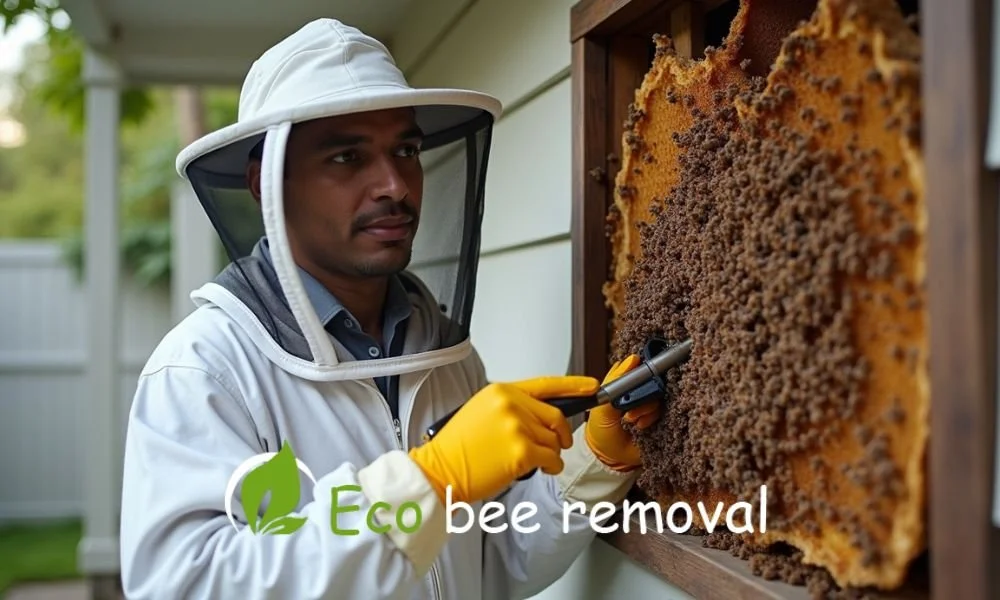
Eco-friendly bee removal by a trained technician
1. Complete Honeycomb Removal
A professional ensures:
all honey
comb
wax
brood
propolis
is fully removed from the structure.
Leaving even a small chunk can restart the problem.
2. Deep Cleaning & Sanitizing
The cavity is cleaned with eco-friendly, bee-safe solutions to:
break down residue
eliminate odors
prevent mold
Sanitizing is essential for home value protection.
3. Drying the Area
Professionals use blowers or dehumidifiers to fully dry the space so no moisture remains.
4. Repairing and Re-sealing the Void
Once the area is safe, the wall is:
closed
patched
primed
sealed
repainted
Your home will look as good as new.
How Proper Bee Removal Protects Your Home’s Value
Choosing humane, professional bee removal instead of DIY methods protects your investment in four major ways:
✔ Prevents honey damage
Because pros remove everything—not just the bees.
✔ Prevents future swarms
Odor-neutralizing treatments stop bees from returning.
✔ Avoids unnecessary demolition
Experts open the wall cleanly and close it properly.
✔ Maintains home inspection integrity
A clean repair avoids red flags for future buyers.
Why Florida Homeowners Need to Act Quickly
In hot climates like Florida, honey melts faster and causes damage more quickly. With temperatures regularly above 90°F, honey residue can:
leak within days
attract pests almost instantly
cause mold grows much faster than in cooler states
Quick action prevents thousands in future repair costs and protects your home value.
Final Thoughts
Honey residue is one of the most overlooked problems after a bee infestation. Even if the bees are gone, the honeycomb must be removed to prevent:
odors
stains
pests
mold
structural damage
reduced home value
If you want to protect your home and prevent future infestations, always hire a licensed, professional bee removal company that provides full hive removal and cleanup, not just live relocation.
Your home is one of your greatest investments—don’t let hidden honey damage lower its value.