
How Florida’s Older Homes Are More Vulnerable to Bee Infestations.
Florida is home to rich history, beautiful weather, and—unfortunately—plenty of bees that love to build hives inside older homes. While bees are essential for pollination and the environment, they can become a serious problem when they move into walls, attics, soffits, or crawl spaces. Many Florida homes built 30, 50, or even 80 years ago are especially prone to bee infestations due to structural wear, gaps caused by aging materials, and outdated building designs.
In this comprehensive guide, we’ll explore why older Florida homes attract bees, the hidden dangers of letting a hive stay, and how homeowners can protect their property with eco-friendly prevention and removal solutions.
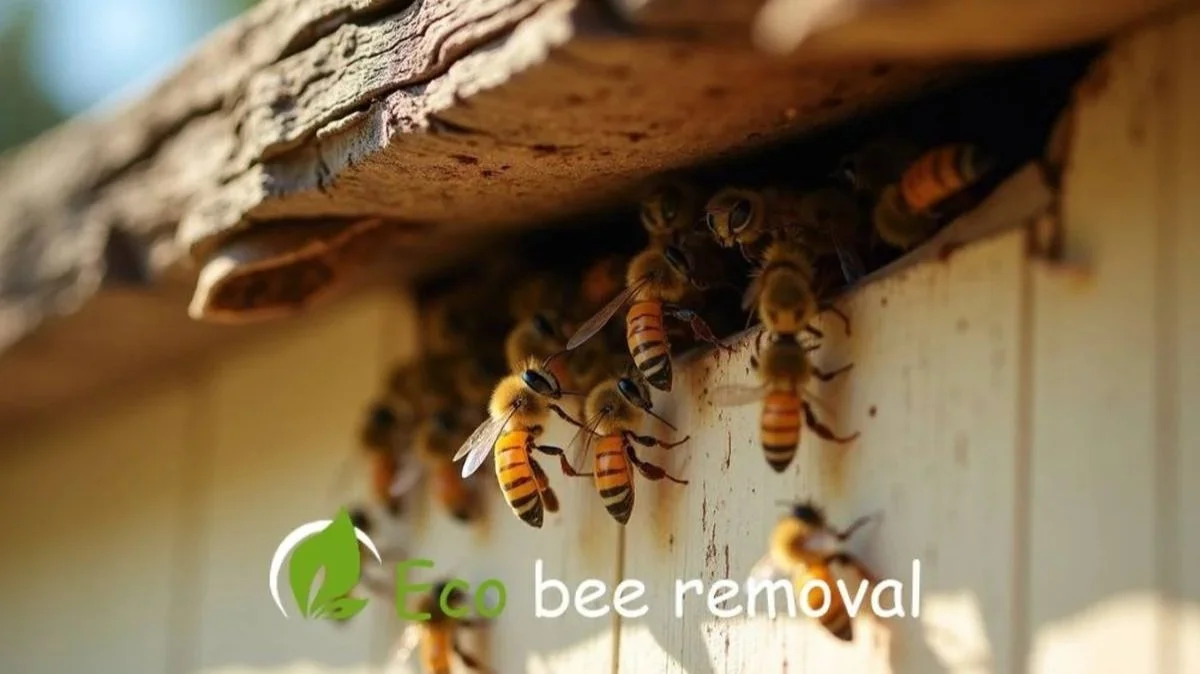
Bees entering a small gap in the soffit of an older Florida house.
Why Florida’s Older Homes Are More Vulnerable to Bee Infestations
Florida’s architecture tells a story. From 1950s bungalows to 1970s ranch-style homes and early 1900s wood-frame houses, many older structures contain features that unintentionally create perfect nesting spots for honey bees.
Bees don’t randomly select a place to build a hive. They look for warm, protected, hidden spaces—exactly the kind of voids older homes develop over time. When a bee colony finds easy access and a safe cavity inside your home’s structure, they move in quickly.
Let’s explore the top reasons older Florida homes attract more bee activity than newer construction.
1. Aging Wood, Cracks, and Gaps Invite Bees Inside
As homes age, natural wear and tear create tiny entry points that bees can easily detect. Honey bees only need a gap the size of a pencil to get inside a wall or attic.
Common bee entry points in older homes include:
Cracks in wood siding or fascia
Gaps around soffits and eaves
Warped rooflines caused by settling
Separated corner joints
Unsealed utility entry holes
Weathered window frames
These small openings may go unnoticed by homeowners, but bees sense them instantly. Older Florida homes built with wood or composite materials tend to expand and contract with humidity, causing additional gaps that appear each season.
2. Ventilation Designs in Older Homes Make Ideal Nesting Sites
Florida homes built decades ago often used open-style roof ventilation, including:
Large attic vents
Unscreened gable vents
Exposed soffit gaps
Open block holes in older masonry homes
While these designs offered better airflow, they now give bees easy access to large enclosed spaces. Modern homes typically have tighter seals and screened vents, reducing the risk, but older homes remain wide open targets for scout bees searching for nest sites.
3. Insulation Settles Over Time, Leaving Empty Cavities for Hives
In many older Florida homes, insulation settles, shifts, or deteriorates. This creates open cavities inside walls and ceilings where bees love to build hives.
Bees look for:
Darkness
Warmth
Protection from predators
A secure area with enough room for a wax comb
A neglected or partially insulated attic can hold honeycombs weighing 50–100 pounds if left untouched for years. Because bees continuously expand their colony, older homes with large open areas are especially attractive.
4. Florida’s Humid Climate Speeds Up Structural Damage
Florida’s humidity accelerates the aging process of homes. Over time, moisture creates:
Soft wood
Rotting soffits
Warped siding
Loose shingles
Crumbling stucco
These weakened areas not only allow bees in—they make it harder for homeowners to spot the problem early.
Moisture also improves hive conditions. Bees prefer humid, warm spaces where honey doesn’t crystallize quickly. Older Florida homes unintentionally create a perfect microenvironment for bees.
5. Historical Homes Often Have Hollow Walls and Hidden Voids
Many Florida homes built before the 1980s were constructed with hollow wall cavities, spacious attics, and older framing styles that used:
Large wall voids
Uninsulated chimneys
Thick wooden beams
High attic pitches
These spaces can host massive hives that grow unnoticed. Bees avoid heavily insulated modern homes, but older homes offer room for expansion.
Some hives have been found stretching several feet long inside the walls of older houses.
6. Outdoor Features of Older Homes Attract Bees
Even the exterior of older homes can be appealing to bees. Common attractants include:
Old sheds or detached garages
Porous stucco with cracks
Aging fences
Overgrown vegetation touching the home
Unmaintained yards
Exposed water sources
Bees are naturally drawn to sheltered, undisturbed places—traits often found around homes that have been aging for decades.
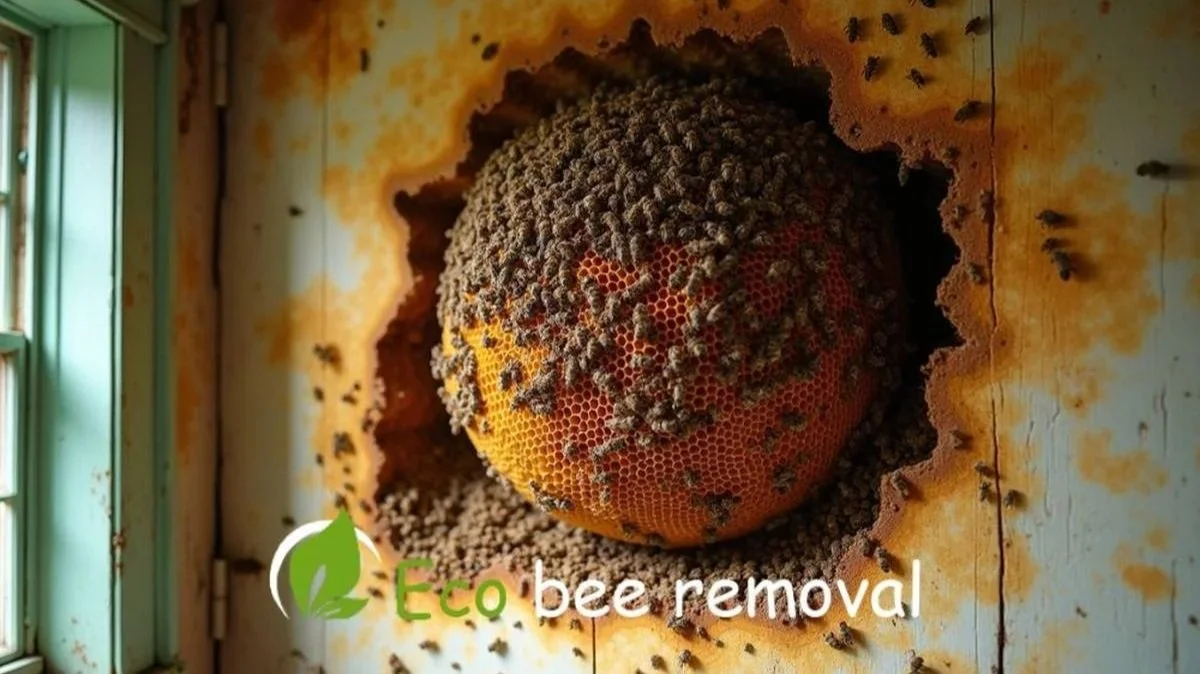
Large bee hive hidden inside the wall of an older Florida home.
Dangers of Bee Infestations in Older Florida Homes
A beehive inside a home is not just an inconvenience—it can cause major structural issues, especially in older buildings.
1. Honey Damage to Walls
Honey and melted wax seep into drywall or wood, causing staining, mold growth, and rot.
2. Attraction of Other Pests
Wax moths, ants, cockroaches, and rodents are drawn to abandoned or active hives.
3. Expensive Structural Repairs
Removing hives from soft or weakened walls can be complex and may require reconstruction.
4. Risk of Bee Swarms
When colonies grow, bees may swarm and relocate—sometimes inside another part of the same house.
5. Fire Hazard
Severe infestations near electrical wiring can create dangerous situations.
Signs You May Have Bees Living Inside an Older Home
Watch for these common warning signs:
Buzzing sounds behind walls
Bees are entering small cracks near the roof
Sticky stains or dark spots on walls
Increased bee activity around the property
Soft or warm spots on interior walls
A sweet smell from one area of the house
If you notice any of these signs, professional bee removal is strongly recommended—especially in older homes where hive removal may require careful structural work.
How to Prevent Bee Infestations in Older Florida Homes
Protecting older homes requires proactive maintenance. Here are the best strategies:
1. Seal All Gaps
Use caulking, weatherproofing, or wood repairs to close cracks around the structure.
2. Add Screens to All Vents
Attic and gable vents must be screened tightly to block scout bees.
3. Trim Trees and Vegetation
Branches touching the home act as bridges for bees.
4. Maintain Exterior Surfaces
Repair soft wood, peeling paint, or rotted boards.
5. Get Annual Bee Inspections
Especially important for homes over 30–40 years old.
Eco-Friendly Bee Removal for Older Florida Homes
If bees have already moved in, avoid spraying or killing them. This can worsen the problem and damage your home.
The best solution is live bee removal, which involves:
Safely relocating the colony
Carefully opening the wall or cavity
Removing all wax, honey, and brood
Repairing and sealing the structure
Preventing future access
Eco-friendly bee removal protects your home and Florida’s vital bee population at the same time.
Final Thoughts
Florida’s older homes are full of charm—but also full of structural weaknesses that bees take advantage of. With small gaps, aging materials, and open cavities, these homes are far more vulnerable to bee infestations than newer construction.
By understanding the risks, watching for signs, and taking preventive steps, homeowners can keep their property safe. And if bees do move in, professional live bee removal ensures your home is protected while helping preserve Florida’s pollinators.
If you need safe, eco-friendly bee removal anywhere in Florida, our team at Eco Bee Removal is ready to help.