
Bee Activity Changes Before & After Florida Thunderstorms.
How Weather Shifts Affect Bee Behavior & What Homeowners Should Know

"Bees foraging before stormy Florida weather."
Florida’s weather is famous for many things — sunny mornings, humid afternoons, and sudden thunderstorms that seem to come out of nowhere. While humans can easily sense when a storm is approaching, bees also show remarkable behavioral changes before, during, and after a thunderstorm. Understanding these patterns isn’t just fascinating; it can help Florida homeowners spot early signs of unwanted hive activity, prevent bee infestations, and know when live bee removal is safest.
In this article, we break down how bees respond to atmospheric changes around storms, why they become more active or stay hidden, and what Florida residents should watch for around their homes.
Why Florida Thunderstorms Affect Bee Activity
Bees are highly sensitive to environmental changes. Their ability to detect weather shifts helps them survive, protect the colony, and keep their hive temperature stable.
Before a storm, atmospheric pressure drops, humidity spikes, and wind speeds begin to change. Bees detect these cues far earlier than humans can. As a result, their behavior shifts in predictable but surprising ways.
For homeowners, these changes may look like:
sudden bursts of bee activity around the yard,
increased foraging behavior,
bees clustering near potential nesting sites, or
Bees are disappearing suddenly once a storm hits.
Understanding these reactions makes it easier to know whether bees are simply passing through — or preparing to build a hive nearby.
Before the Thunderstorm: Why Bees Become More Active
Before a Florida storm rolls in, bees typically increase their activity. This behavior is driven by one goal: prepare the hive.
1. Increased Foraging
Bees know that rain will keep them grounded. When atmospheric pressure drops, foraging bees rush to collect as much nectar and pollen as possible before the storm arrives.
You’ll often notice:
more bees around flowering plants,
bees flying faster and more directly,
a temporary surge of bees near patios and gardens.
This “pre-storm rush” is normally short but intense.
2. Guard Bees Become Alert
Guard bees detect vibrations and pressure changes, so right before a storm, hives become more defensive. Bees guard the entrance more carefully, anticipating threats like strong winds or predators seeking shelter.
If bees are nesting in your home — attic, soffits, walls, or a tree — they may become visibly more active around the entrance.
3. Swarm Formation (Less Common but Possible)
In some cases, bees may swarm before a storm if:
The hive is overcrowded,
The colony was already preparing to split, or
weather conditions accelerate their natural behavior.
A swarm before rain is usually temporary, but it can be alarming to homeowners. Swarms often settle on trees, fences, or even building walls.
During the Storm: Bees Stay Hidden
Once the storm hits, bee activity drops drastically. Bees are not strong flyers in heavy rain, and thunderstorms can easily damage their wings.
Inside the hive, bees:
cluster tightly to maintain temperature,
protect the queen at the center,
seal off cracks or openings with propolis,
Stop all foraging behavior.
If bees have built a hive inside a home, residents may hear buzzing become quieter during storms — but that doesn’t mean the colony is gone.
After the Thunderstorm: Bee Behavior Returns — Sometimes Even Stronger
When the storm ends, bees reassess their surroundings before resuming activity. This is when homeowners often notice the biggest behavioral change.
1. Foraging Resumes Immediately
The moment the rain stops, bees rush back out to replace what they lost during the storm. Nectar levels in flowers rise after rain, which also attracts more bees.
This can lead to a noticeable increase in:
bees around gardens,
bees near standing water,
bees investigating cracks or wall gaps for shelter.
2. Post-Storm Swarms
Sometimes storms disturb wild hives found inside:
hollow trees,
roof spaces,
damaged structures.
If the hive becomes unstable, bees may swarm and relocate after the storm.
Florida homeowners often see temporary swarms on:
porches,
mailboxes,
outdoor sheds,
tree branches.
3. Bees Searching for New Shelter
After strong weather, bees may begin scouting for safer nesting spots. Unfortunately, homes often provide ideal conditions:
dry, warm, protected spaces,
access through soffits or vents,
stable temperatures.
If you notice bees exploring the same area repeatedly, it may be a sign of a scout bee searching for a new hive location.
What This Means for Florida Homeowners
Florida’s humidity, heat, and sudden storms make it a perfect environment for year-round bee activity. Understanding bee behavior before and after thunderstorms helps residents identify potential problems early.
Common Signs You May Have Bee Activity After a Storm
bees entering the same hole or crack repeatedly
buzzing inside the wall or attic
honey-like smell after heavy rain
increased bee presence around soffits or rooflines
seeing clusters of bees on exterior surfaces
If you notice these signs, the colony may be forming or expanding.
Why You Should Never Block Entrances After a Storm
Many homeowners make the mistake of sealing holes after seeing bee activity. But this can trap bees inside walls or attics, causing them to spread deeper into your home.
Trapped bees may:
chew through walls,
enter living spaces,
die and attract pests,
leave behind honey that ferments and leaks.
Always contact a professional before sealing or repairing any entry point.
Eco-Friendly Solution: Live Bee Removal in Florida
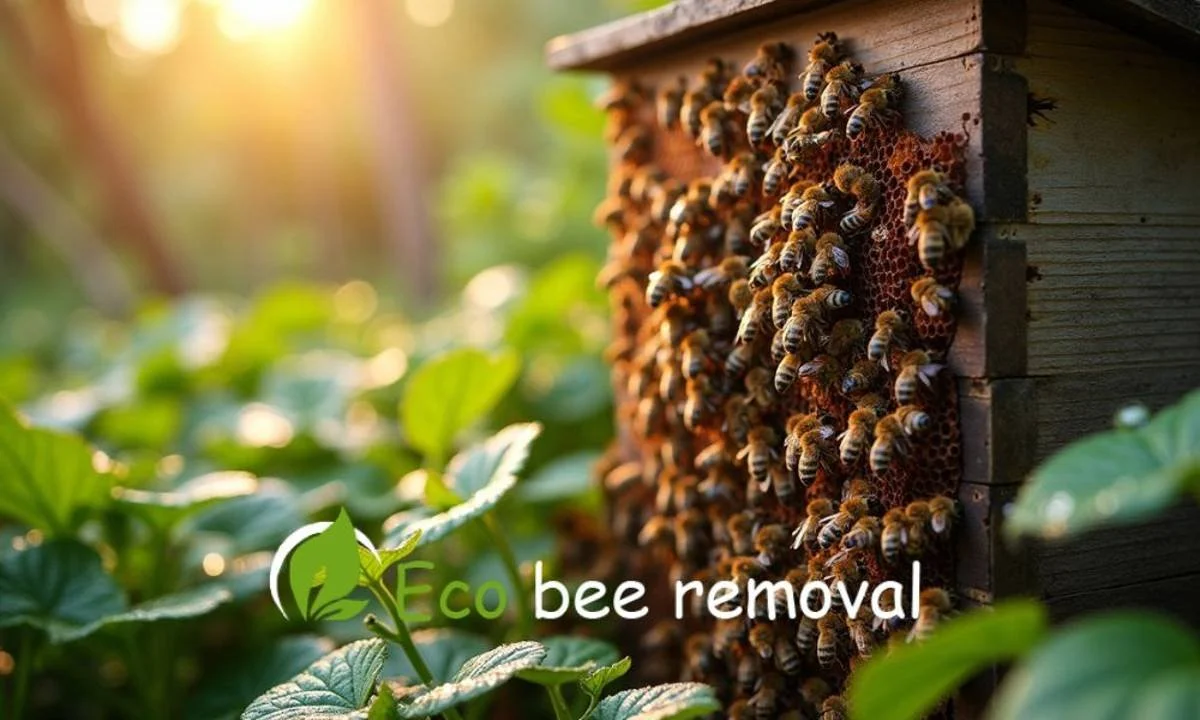
"Bees returning to activity after Florida thunderstorms."
Live bee removal is the safest and most responsible way to handle unwanted bees — especially after storms when colonies may be stressed or displaced.
A professional live removal service:
safely relocates the bees,
preserves pollinators,
removes honey, comb, and brood,
repairs the entry points to prevent new infestations.
At Eco Bee Removal, we specialize in rescuing bees and protecting Florida homes using eco-friendly, humane techniques.
📞 When to Call a Bee Removal Professional
If you’ve noticed increased bee activity around your home before or after a storm, it’s important to act early — especially if bees are entering your property structure.
Call a professional when:
You see bees entering rooflines, soffits, vents, or walls
A temporary swarm is too close to your home
A storm has damaged an existing hive
Bees return to the same spot repeatedly
Final Thoughts
Bees are deeply connected to Florida’s weather, and thunderstorms greatly influence their behavior. By understanding how bees react before and after storms, homeowners can better protect their properties while supporting Florida’s pollinators.
If you suspect a hive is forming near your home — or storm activity has increased bee presence — don’t wait. Live bee removal ensures safety for both your family and the bees.