
When a beehive ends up inside a home, shed, wall, or tree on your property, your first reaction might be to remove it as quickly as possible. Many homeowners assume extermination is the fastest solution—but in reality, relocating a hive is far more beneficial for your home, your community, and the environment. Live bee relocation protects the bees and supports healthier farms, gardens, ecosystems, and food supplies across Florida.
In this blog post, we’ll explore why relocating a hive helps local agriculture and gardens, and why humane removal is always the best choice for long-term environmental health.
The Importance of Bees in Agriculture
Honey bees and native bees play a major role in producing the foods we eat every day. Nearly one-third of the crops grown in the United States depend on bees for pollination. Without them, fruits, vegetables, nuts, and flowering plants would produce far fewer blooms and yields.
When a hive is relocated—rather than destroyed—those same bees can continue pollinating crops such as:
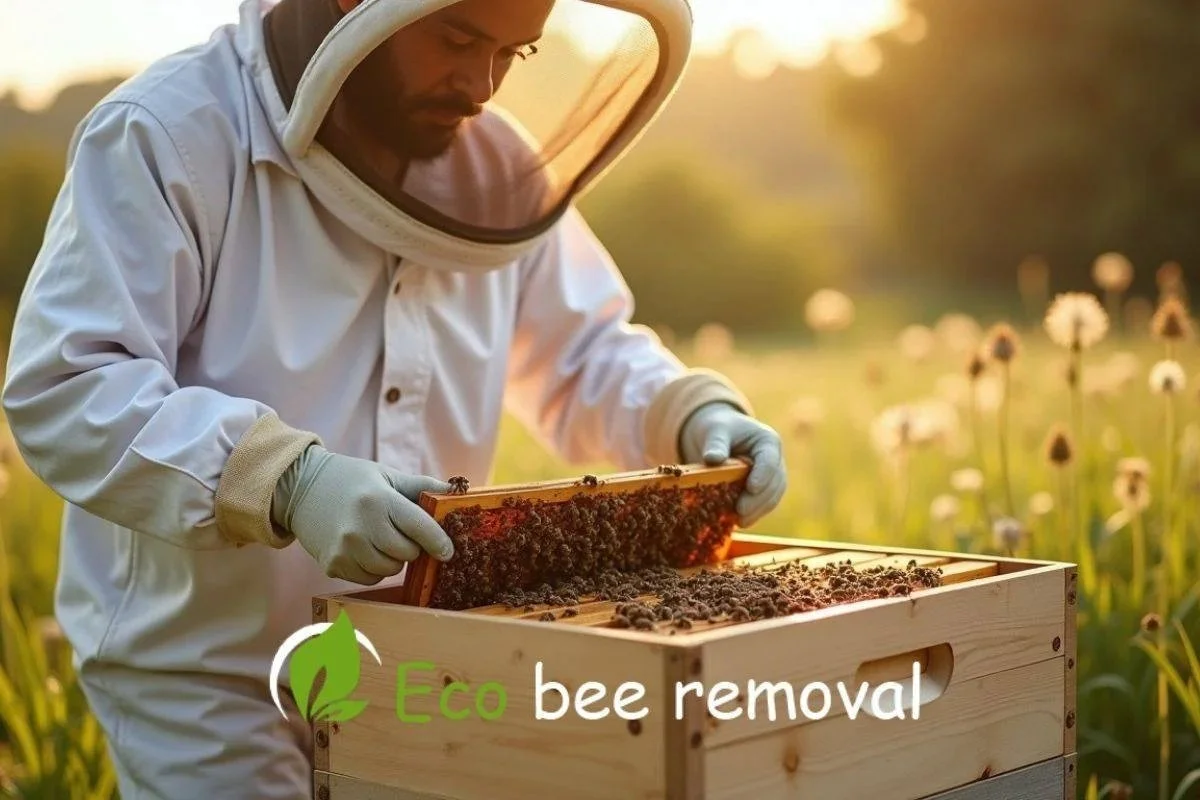
Beekeeper safely relocating a honeybee hive to support Florida agriculture and pollination.
Blueberries
Watermelons
Citrus
Avocados
Almonds
Cucumbers
Peppers
Squash
Tomatoes
In Florida, where agriculture is a huge part of the economy, pollination directly affects both commercial farms and home gardens. Losing even one healthy colony can significantly impact local growth, biodiversity, and food production.
Why Extermination Hurts Local Ecosystems
While extermination may seem simple, it creates a series of environmental problems:
1. Loss of Pollinators
Every bee colony has thousands of bees. Removing them permanently reduces the number of pollinators available to support local farms and gardens.
2. More Bees Return to the Same Spot
Killing a hive doesn’t fix the issue.
The leftover honey, pheromones, and hive scents attract new swarms, often within weeks. This causes repeat infestations.
3. Harmful Chemicals Spread Into Soil and Plants
Extermination sprays and pesticides contaminate:
Soil
Water
Gardens
Flowering plants
Other insects
This damages your own landscape and disrupts the surrounding wildlife.
4. Dead Colonies Cause Structural Damage
When bees die inside walls or roofs, unattended honey and wax melt in the heat, leading to:
Mold growth
Stains
Ants
Cockroaches
Rodents
Permanent structural odors
Live bee relocation prevents all of these issues.
How Relocating a Hive Supports Local Agriculture
1. Relocated Bees Continue Pollinating Crops
Professional bee relocators transport hives to safe apiaries or natural habitats where the colony can thrive. These bees then continue to pollinate crops and wild plants, helping support Florida’s huge agricultural industry.
2. Stronger Bee Populations Increase Food Production
Healthy, relocated colonies contribute to stronger bee genetics and larger pollinator numbers. This helps crops yield larger, better-quality harvests.
In areas with active agriculture—like Central Florida, Miami-Dade, Sarasota, Fort Myers, and Cape Coral—more pollinators directly equal:
Higher fruit production
Increased vegetable growth
Stronger flowering seasons
More seeds and wildlife support
3. Reinforces Local Beekeeping Communities
Relocated hives often become part of local apiaries. Beekeepers then use these bees to:
Pollinate crops
Produce honey
Support queen breeding
Strengthen local pollinator networks
Many Florida farms rely heavily on these beekeepers during pollination seasons.
4. Prevents Agriculture Loss from Bee Decline
Bee populations worldwide have declined due to pesticides, climate change, and habitat loss. By choosing relocation, homeowners directly support the preservation of the pollinator population that local farmers depend on.
How Hive Relocation Helps Home Gardens
Whether you grow vegetables, flowers, fruit trees, or a backyard pollinator garden, bees are essential.
1. Natural Boost in Garden Growth
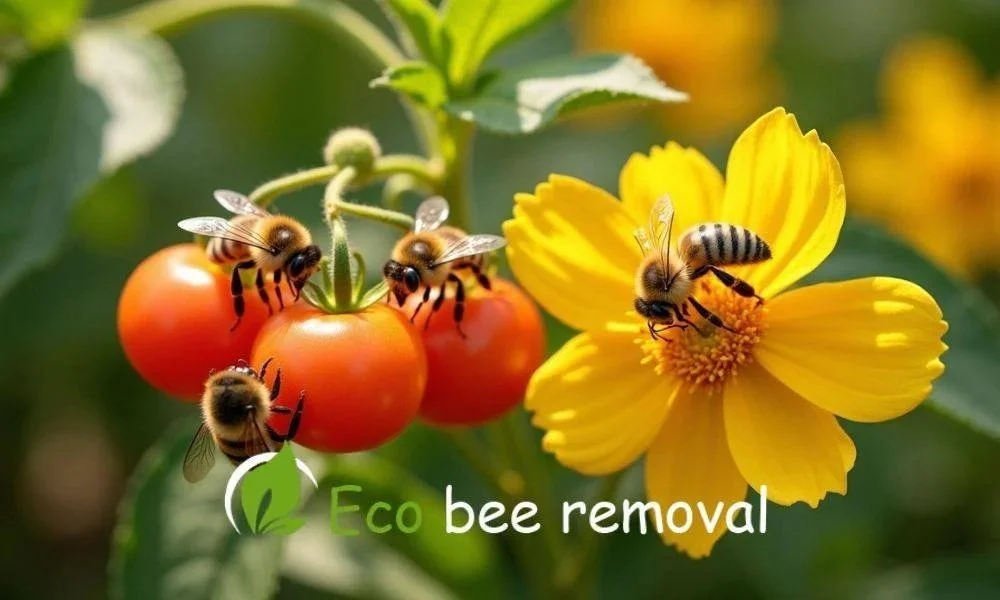
Honeybees pollinating vegetables in a Florida garden, improving crop growth through natural pollination.
Gardens with healthy pollination see:
Bigger fruit
More blooms
Stronger plants
Better seed production
Faster growth
Even a single hive can dramatically improve backyard gardens within a few miles.
2. Supports Native Florida Plants
Relocated bees help pollinate native species such as:
Saw palmetto
Wildflowers
Mangroves
Passion flowers
These plants support butterflies, birds, and other wildlife.
3. Helps Pollinator-Friendly Homeowners
If you grow:
Tomatoes
Peppers
Cucumbers
Avocados
Citrus
Watermelons
Or even decorative plants like hibiscus and jasmine—bees significantly improve growth and fruiting.
4. Creates a Balanced Backyard Ecosystem
More bees mean:
Healthier soil
Stronger roots
Better biodiversity
Fewer pests
More stable pollinator cycles
Relocating a hive enhances the natural balance of your home’s ecosystem rather than disrupting it.
Environmental Benefits of Bee Relocation
1. Supports Biodiversity
Bees pollinate thousands of plant species. Relocating a hive ensures:
More wildflowers
Healthier tree growth
Better natural habitats
Stronger ecological stability
2. Encourages Eco-Friendly Practices
Live relocation is an environmentally responsible alternative to extermination. It reduces pesticide use and protects the natural food chain.
3. Helps Maintain Healthy Bee Genetics
Professional relocation helps maintain strong colonies, preserving healthy genetics that support resilient bee populations throughout the state.
Why Homeowners Should Always Choose Live Bee Relocation
Humane bee removal is better for:
Your home
The environment
Pollinators
Future generations
Local farms and gardens
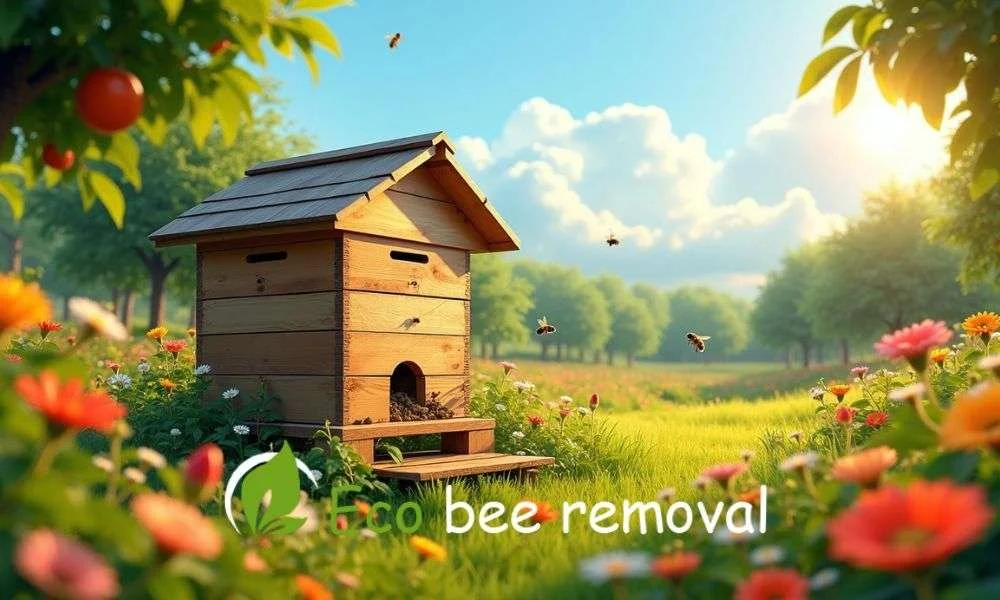
Relocated beehive in an apiary helping local agriculture and supporting healthy pollinator populations.
Benefits for Homeowners
No chemicals
No returning swarms
No structural damage from melted honey
No odors
Safe removal from walls, roofs, attics, and trees
Benefits for Communities
More pollinators for gardens
Healthier local agriculture
Stronger local food production
Protected biodiversity
Benefits for Bees
Safe transport
New hive boxes
Clean habitat
Continued growth and reproduction
How Eco Bee Removal Handles Professional Hive Relocation
At Eco Bee Removal, we specialize in eco-friendly, humane bee relocation across Florida, including Miami, Cape Coral, Fort Myers, Orlando, Tampa, Jacksonville, and Sarasota.
Our process includes:
Safe bee removal without pesticides
Cut-out extraction of the hive, the comb, and the queen
Full hive relocation to a managed apiary
Sanitizing and bee-proofing the area to prevent return swarms
Environmentally responsible hive management
We help homeowners remove bees safely while protecting local agriculture and pollinators.
Final Thoughts
Relocating a hive is more than just a humane choice—it’s a powerful way to support your community, protect local agriculture, and strengthen pollinator populations. Every saved colony contributes to healthier gardens, richer biodiversity, and stronger food systems throughout Florida.
If you discover bees on your property, the best thing you can do is call a professional live bee removal service. Together, we can protect your home and the environment.