
How to Prevent Bees From Nesting in Your Roof in Tallahassee, FL
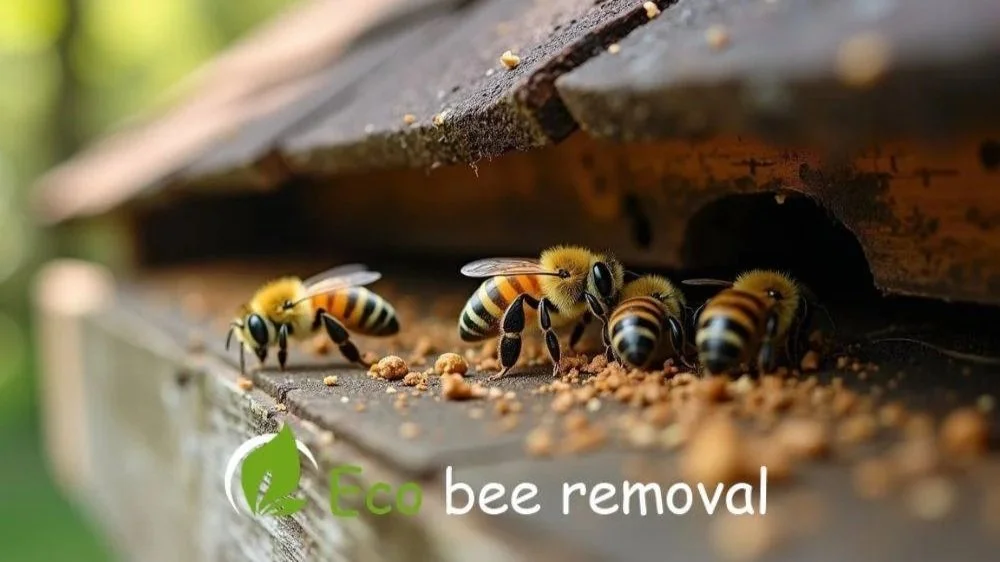
Bees entering a roof gap—early hive warning.
When you live in Tallahassee, FL, bees are a natural part of the environment. With warm temperatures, long summers, and plenty of flowering plants, the area provides the perfect conditions for honey bees and other pollinators. While bees are essential for Florida’s ecosystem, they can become a serious problem when they start building a hive inside your roof.
A beehive in the roof can lead to structural damage, honey leaks, stains, unwanted insects, and thousands of bees entering your home. The best solution is prevention—keeping bees out before they ever get inside. This guide will walk you through how to prevent bees from nesting in your roof in Tallahassee, FL, the signs of early activity, and what to do if bees have already moved in.
Target Keywords (Naturally Integrated)
prevent bees from getting into the roof
Bees in Tallahassee homes
How to stop bees from nesting
roof bee prevention
Keep bees out of the attic
Tallahassee bee removal
professional bee removal Tallahassee
Why Bees Love Roofs in Tallahassee, FL
Tallahassee’s climate is warm, humid, and full of vegetation. These conditions create an ideal environment for bees to thrive. Roofs, attics, and soffits provide the dark, sheltered, temperature-stable environment bees prefer for building a hive.
Here’s why bees commonly target roofs in Tallahassee:
1. Warm Weather Nearly All Year
Bees remain active longer in North Florida due to milder winters. This increases the chances of swarms moving into homes.
2. Plenty of Food Sources
From wildflowers to backyard gardens, Tallahassee offers a constant supply of nectar and pollen. When food is abundant, bees expand and look for new nesting locations.
3. Easy Access Points on Older Homes
Many Tallahassee neighborhoods feature older homes with:
Gaps in the soffit
Cracked rooflines
Loose shingles
Unsealed attic vents
These tiny openings (as small as ⅛ inch) are all bees need to start a hive.
Common Entry Points Bees Use to Get Into Roofs
Bees are small, determined, and excellent at finding weaknesses in a home’s exterior. They typically enter through:
Soffit gaps
Gable vents
Cracked fascia boards
Roof flashing gaps
Brick-and-roofline gaps
Open weep holes
Attic vents without screens
Once they enter, they work quickly. A new hive can grow to 50,000+ bees within months.
Early Signs Bees Are Nesting in Your Roof
Detecting bee activity early can save you thousands of dollars in repairs. Look for:
1. Increased Bee Activity Near the Roofline
If you see bees flying in a straight line toward one area of your roof, they may already be moving in.
2. Buzzing Sounds Inside Walls or Attic
A low humming or vibrating sound is a common sign of a hive.
3. Dark Stains or Sticky Spots on Walls or Ceilings
Honey leakage can seep through drywall and insulation.
4. Warm Spots on the Ceiling
Large hives generate heat.
5. Clumping Bees Near Soffits or Vents
Bees gathering at one entrance point often indicate a hive behind it.
If you notice any of these signs, do not attempt DIY removal. Bee removal requires specialized tools, protective equipment, and knowledge of how to safely relocate the colony.
How to Prevent Bees From Nesting in Your Roof in Tallahassee
The best defense against roof bee infestations is prevention. Here are the most effective steps:
1. Seal All Gaps, Cracks, and Openings
Bees only need a tiny crack to enter your roof—sometimes less than ¼ inch. Inspect your home’s exterior carefully and seal:
Gaps around soffit boards
Spaces between the roof and wall joints
Cracks in siding
Holes in fascia boards
Roofline separations
Use:
Exterior-grade caulk
Steel mesh
Weatherproof sealant
Expanding foam (not for large gaps)
A yearly inspection is recommended.
2. Install Bee-Proof Screens on Vents
Your attic vents and gable vents should have 1/8-inch metal screens, which are small enough to block bees while still allowing airflow.
Plastic screens break easily—use steel mesh for long-term protection.
3. Repair Damaged Roof Shingles and Flashing
Loose or lifted shingles create perfect entry points. In Tallahassee, storms, heat, and humidity often damage roofing materials.
Have a professional inspect:
Flashing around chimneys
Roof edges
Ridge caps
Valleys and joints
A well-maintained roof is much harder for bees to infiltrate.
4. Clean Your Soffits and Remove Old Wasps or Bee Nests
Old nests often attract new colonies. Regular cleaning helps keep bees from investigating potential home sites.
5. Keep Trees and Branches Away From the Roof
Overhanging trees act as bridges for bees and increase shade around your roof, making it more appealing.
Trim branches at least 6–10 feet away from the house.
6. Use Natural Bee Repellents (Safe Options)
While we don't want to harm bees, you can use natural scents that discourage nesting:
Peppermint oil
Citronella
Tea tree oil
Clove oil
Mix with water and spray around:
Soffits
Vents
Roofline
Eaves
These scents make your home less appealing without harming the bees.
7. Avoid Leaving Open Trash or Sweet Scents Near Your Home
Sugary smells can attract scouting bees looking for new hive locations. Keep outdoor trash sealed and avoid leaving it out:
Soda cans
Fruit scraps
Sweet liquids
8. Schedule an Annual Professional Bee Inspection
A bee removal expert can identify early signs that most homeowners miss. Tallahassee homes—especially older properties—benefit from a yearly inspection to keep roofs bee-proof.
Why Professional Bee Removal Is Essential If Bees Have Already Moved In
If bees have made their way inside your roof, do NOT block their entry hole. This traps bees inside your home and forces them deeper into walls, making the problem worse.
Professional bee removers in Tallahassee can:
Locate the entire hive
Safely remove bees alive
Extract honeycomb
Clean the nesting cavity
Repair and seal the entry point correctly
Without removing the honeycomb, the area will continue attracting ants, roaches, rodents, and future bee colonies.
Eco-Friendly Bee Removal Protects Pollinators in Tallahassee
Bees are essential for Florida’s environment. Instead of extermination, choose live bee relocation. Professionals safely move the colony to a local apiary where they can continue pollinating gardens, farms, and natural habitats.
Eco-friendly removal ensures:
Zero pesticides
Bees survive and thrive
Your home stays protected
Your roof remains bee-free long term
📞 Need Bee Prevention or Removal in Tallahassee, FL?
If you’re noticing bee activity around your roof—or want a prevention inspection—Eco Bee Removal is here to help.
We offer:
Live bee removal
Roof and attic hive extraction
Prevention sealing
Emergency bee removal
Eco-friendly treatments
Call us today: (888) 282-1886
Serving all of Tallahassee and the surrounding areas.
Final Thoughts
Preventing bees from nesting in your roof in Tallahassee, FL, starts with early detection, proper sealing, regular home maintenance, and eco-friendly prevention. Bees play an important role in our environment, but your home should stay safe and hive-free.
Taking action now can save you from a costly hive removal later—while keeping Florida’s bees protected and healthy.