
Why Bees Choose Soffits & Fascia Boards in Florida Homes.
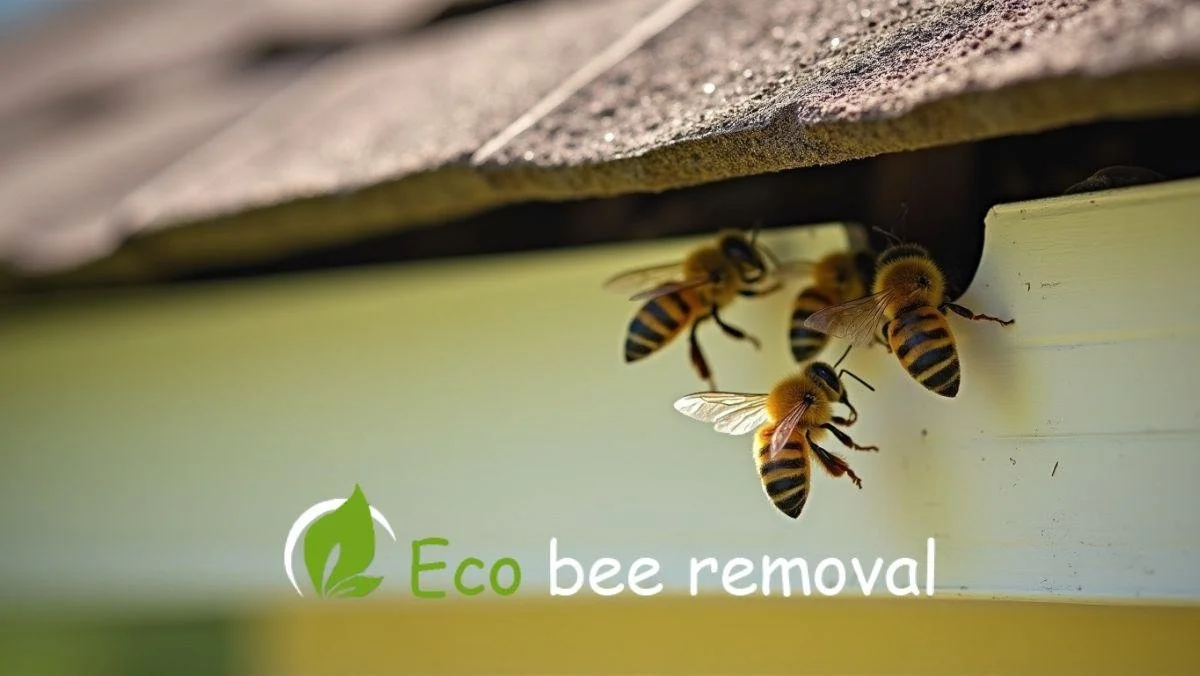
Bees nesting inside soffits and fascia boards of a Florida home.
If you live in Florida and suddenly notice bees flying in and out near your roofline, you’re not alone. One of the most common places bees choose to build hives in Florida homes is inside soffits and fascia boards. Homeowners often ask why bees prefer these areas and what makes them so attractive—especially in warm, coastal climates like Florida.
Understanding why bees choose soffits and fascia boards can help homeowners detect problems early, prevent structural damage, and protect both their homes and local pollinators.
Understanding Soffits & Fascia Boards
Before diving into bee behavior, it helps to understand these parts of your home.
Soffits are the horizontal panels underneath your roof overhang.
Fascia boards are the vertical boards that run along the roof edge, just behind the gutters.
These components protect your attic, improve ventilation, and give your roof a finished look. Unfortunately, they also create ideal hiding spots for bees when small gaps or weaknesses appear.
Florida’s Climate Creates the Perfect Conditions
Florida’s warm, humid climate plays a major role in bee activity.
Bees thrive in environments that offer:
Consistent warmth
Protection from heavy rain
Minimal temperature swings
Soffits and fascia boards provide year-round shelter, especially during Florida’s hot summers and mild winters. Unlike colder states, where bees retreat or migrate, Florida bees stay active almost all year, making homes a frequent target.
Small Gaps Become Big Opportunities
One of the main reasons bees choose soffits and fascia boards is the easy access they provide.
Over time, Florida homes experience:
Wood expansion from heat
Moisture damage from humidity
Storm-related wear and tear
Loose or aging construction materials
Even a tiny crack or gap is enough for scout bees to enter. Once they find a protected cavity, they signal the rest of the colony.
Homeowners often don’t realize there’s a problem until:
Bees become visibly active
Honey starts leaking through the walls
Buzzing sounds come from inside the structure
Elevated Locations Feel Safer to Bees
In nature, bees prefer elevated nesting sites such as tree hollows or high branches. Soffits and fascia boards mimic this natural environment.
From a bee’s perspective, these locations offer:
Reduced risk from predators
Less human disturbance
Protection from ground moisture
Stable temperatures
This is why bees often bypass garages or sheds and go straight for the roofline areas.
Warmth Helps the Colony Survive
Bees need a stable internal hive temperature to protect their brood (baby bees). Soffits and fascia boards trap warmth from the roof while blocking wind and rain.
In Florida:
Rooflines absorb heat during the day
Insulated spaces retain warmth at night
Attic-adjacent areas stay dry during storms
This combination makes soffits and fascia boards ideal for long-term colony survival.
Limited Human Traffic = Less Threat
Bees instinctively avoid areas with frequent movement. Soffits and fascia boards are rarely disturbed compared to patios, doors, or windows.
Once bees settle in:
They can build a comb undisturbed
Colonies grow rapidly
Hive size can reach dangerous levels within weeks
By the time homeowners notice activity, the hive is often well-established.
Why This Is a Serious Problem for Homeowners
While bees are vital pollinators, a hive inside your home structure can cause significant damage.
Structural Risks
Honeycomb adds weight inside walls
Moisture from honey causes wood rot
Wax attracts ants, roaches, and rodents
Safety Concerns
Defensive behavior when disturbed
Increased stinging risk near entrances
Dangerous for children, pets, and allergy sufferers
Ignoring the issue allows the colony to grow—and increases repair costs later.
Why Killing Bees Is Not the Solution
Many homeowners consider pesticides or extermination, but this often exacerbates the situation.
Problems with killing bees include:
Dead bees left inside the walls
Melting honey is causing leaks and odors
Increased pest infestations
Harm to local pollinator populations
In Florida, live bee relocation is the safest, most responsible option for both people and the environment.
How Professional Bee Removal Prevents Return
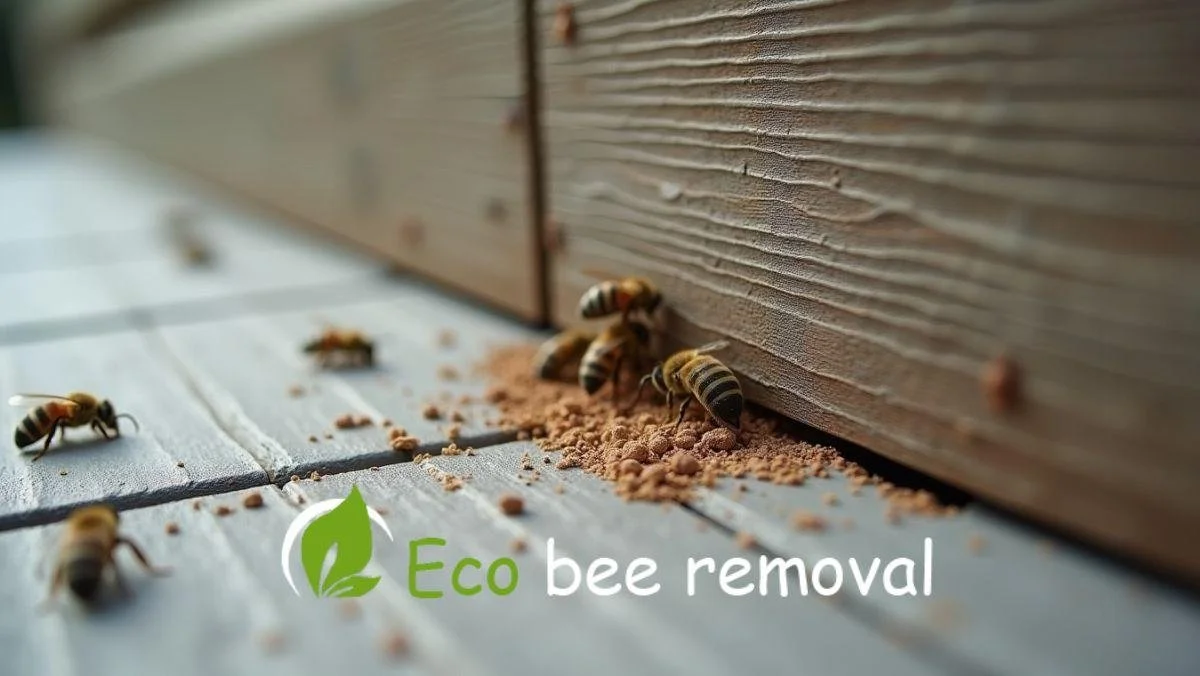
Honey bees accessing a small gap in wood siding near a Florida home.
Professional bee removal doesn’t just remove the bees—it addresses the cause.
A proper service includes:
Safe live bee relocation
Complete hive and honeycomb removal
Sealing of soffit and fascia entry points
Repairs to damaged wood
Preventative recommendations
This ensures bees don’t return to the same spot next season.
Signs Bees Are Nesting in Your Soffits or Fascia
Watch for these warning signs:
Consistent bee traffic near the roof edges
Buzzing sounds from walls or ceilings
Sticky residue or dark stains
Honey dripping from soffits
Bees are entering small cracks repeatedly
Early detection makes removal safer and less costly.
How to Prevent Bees from Choosing Your Home
Prevention is key, especially in Florida.
Homeowners should:
Inspect soffits and fascia annually
Seal small gaps immediately
Repair water-damaged wood
Replace warped or rotting boards
Schedule professional inspections if activity is noticed
Well-maintained homes are far less attractive to bees.
Final Thoughts
Bees choose soffits and fascia boards in Florida homes because these areas offer warmth, safety, elevation, and protection—everything a thriving colony needs. While bees play a critical role in our ecosystem, allowing them to nest inside your home can lead to serious damage and safety risks.
The solution isn’t extermination—it’s responsible, eco-friendly bee removal combined with proper home maintenance. Acting early protects your home, your family, and Florida’s vital pollinator population.
If you suspect bees are nesting in your soffits or fascia boards, professional help makes all the difference.