
How to Safely Remove Bees from Soffits Without Roof Damage.
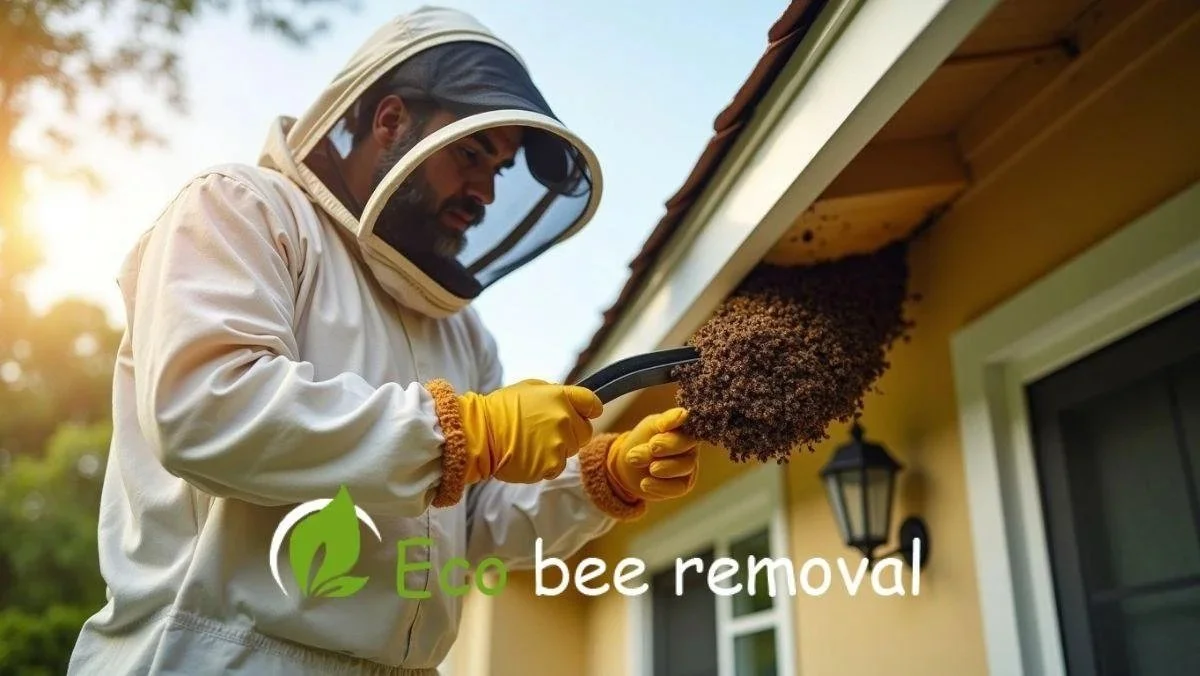
Safe, eco-friendly soffit bee removal without damaging the roof
Bees are an essential part of our ecosystem, but when they choose your home’s soffits as a nesting site, problems can quickly arise. Soffits—located beneath roof overhangs—offer warmth, shelter, and protection, making them an ideal spot for bees to build hives. Unfortunately, improper removal can lead to costly roof damage, structural issues, and even safety risks.
This guide explains how bees get into soffits, why DIY removal is risky, and how professional bee removal safely eliminates hives without damaging your roof, all while protecting the bees whenever possible.
Why Bees Choose Soffits in the First Place
Soffits are one of the most common entry points for bees, especially in warm climates like Florida. Small gaps, cracked vents, or loose fascia boards create perfect access points.
Bees are attracted to soffits because:
They protect from rain and predators
The area stays warm year-round
Soffits are usually undisturbed by people
Old hive scent attracts new colonies
Once a colony establishes itself, it can grow rapidly. A hive inside soffits can contain tens of thousands of bees within weeks, increasing the risk of structural damage and stings.
Why DIY Soffit Bee Removal Is Dangerous
Many homeowners attempt to remove bees themselves using sprays, smoke, or home remedies. Unfortunately, these methods often cause more harm than good.
Common DIY Mistakes:
Spraying pesticides that kill bees but leave honeycomb behind
Sealing the soffit while bees are still inside
Cutting into the roof without understanding the structure
Ignoring the hidden hive deep inside the soffit cavity
These actions can lead to:
Severe roof and soffit damage
Honey melting into walls and ceilings
Secondary infestations (ants, roaches, rodents)
Aggressive bee behavior and stings
In many states, killing honey bees is discouraged or restricted, making professional removal the safest and most responsible choice.
How Professional Bee Removal Prevents Roof Damage
Experienced bee removal specialists use proven techniques to remove bees from soffits without damaging your roof or home structure.
Here’s how professionals do it safely:
Step 1: Detailed Soffit & Roof Inspection
Professionals start by identifying:
Exact entry points
Hive size and location
Bee species (honey bees vs. wasps)
Structural vulnerabilities
Special tools, such as thermal cameras and inspection scopes, enable experts to locate hives without cutting into the roof unnecessarily.
Step 2: Live Bee Removal & Relocation
Whenever possible, professionals use live bee relocation methods, particularly for honeybees.
This process includes:
Carefully removing bees using specialized vacuums
Protecting the queen to ensure colony survival
Transferring bees to a managed apiary or safe habitat
Live removal prevents aggressive swarming and protects pollinators while keeping your home safe.
Step 3: Controlled Soffit Access (Minimal Opening)
Instead of ripping open large sections of your roof, professionals:
Open soffits only where necessary
Use clean, precise cuts
Avoid disturbing structural supports
This targeted approach ensures zero unnecessary roof damage and keeps repair costs low.
Step 4: Complete Hive & Honeycomb Removal
Removing bees alone is not enough.
Professionals also remove:
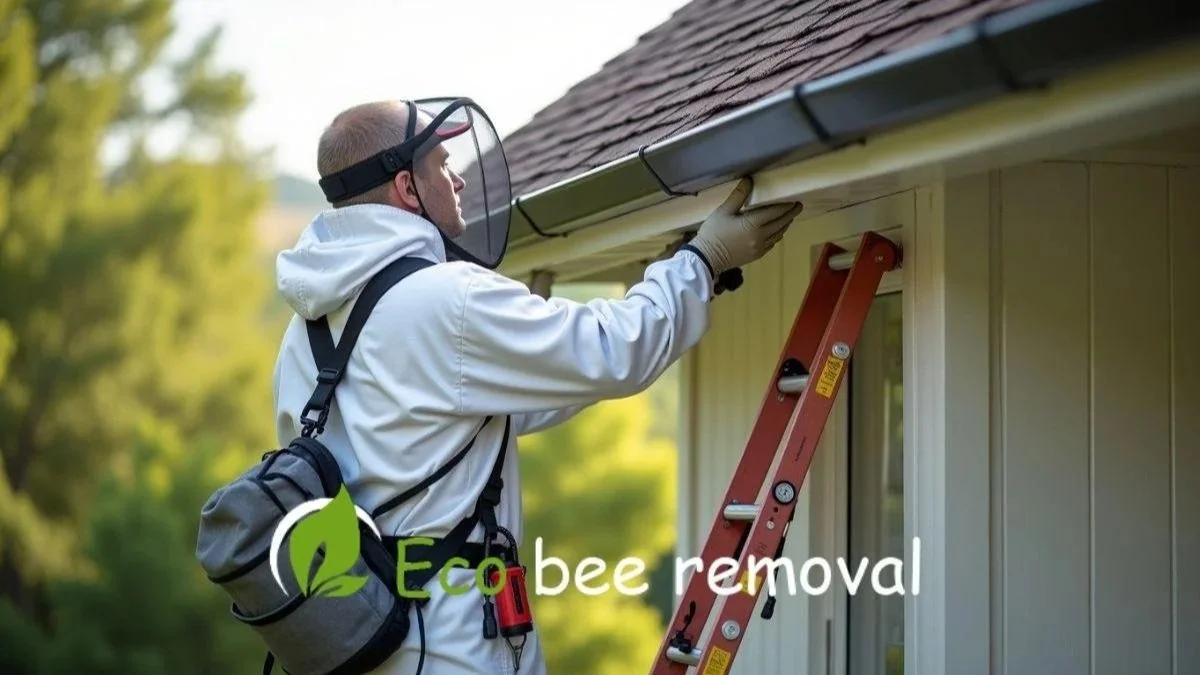
Bee removal professional inspecting soffits and roof eaves for safe honey
Honeycomb
Wax
Larvae
Pheromone residue
Leaving honeycomb behind can cause:
Honey leaks through ceilings
Mold growth
Re-infestation by new bee colonies
Thorough removal is essential for long-term success.
Step 5: Repair & Seal the Soffits
After removal, professionals:
Seal all entry points
Repair soffit panels
Reinforce vents and fascia boards
Use bee-resistant materials when possible
This step prevents future infestations and protects your roof from long-term damage.
How Roof Damage Happens When Bees Are Removed Incorrectly
Improper bee removal often leads to:
Broken soffit panels
Cracked fascia boards
Water intrusion
Rotting roof edges
Sagging overhangs
Professional soffit bee removal focuses on preserving structural integrity, not just eliminating the bees.
Signs You Have Bees in Your Soffits
Watch for these warning signs:
Constant buzzing near the roof edges
Bees entering and exiting the same spot
Brown or yellow stains on soffits
Dripping honey or sticky residue
Increased bee activity during warm afternoons
If you notice any of these signs, act quickly before the colony grows larger.
Why Timing Matters in Soffit Bee Removal
The longer bees stay in your soffits:
The larger the hive becomes
The more honey accumulates
The higher the risk of roof damage
Early intervention allows for:
Easier removal
Less structural impact
Lower repair costs
Safer conditions for your family
Preventing Bees From Returning to Your Soffits
After removal, prevention is key.
Professional Prevention Tips:
Seal all soffit gaps and cracks
Repair loose fascia boards
Install vent screens
Schedule annual roof inspections
Remove old hive scent completely
Preventive maintenance can save thousands in future repairs.
Why Choose Professional Soffit Bee Removal Services
Hiring a professional ensures:
Safe, humane bee removal
No roof or soffit damage
Complete hive and honey removal
Long-term prevention
Compliance with environmental guidelines
Professional bee removal protects your home, your family, and the bees.
Final Thoughts
Bees in soffits are not just a nuisance—they can lead to serious roof damage if handled incorrectly. Attempting DIY removal often makes the situation worse, while professional soffit bee removal provides a safe, effective, and eco-friendly solution.
If you suspect bees in your soffits, don’t wait. Early action prevents costly repairs and keeps your home protected while preserving these vital pollinators.