
Have you noticed bees flying around your roof, disappearing beneath the tiles, or gathering near the edge of your home? You might have more than a few visiting bees. There could be an entire honey bee colony living beneath your roof tiles.
Roof spaces can provide honey bees with the shelter and protection they need to build a colony. Unfortunately, what starts as a small group of bees can turn into a much bigger problem if left unnoticed.
The good news is that homeowners can look for several warning signs. Identifying a bee colony early can help prevent unnecessary damage and make professional live bee removal easier.
Here is how to tell if bees are living under your roof tiles and what you should do next.
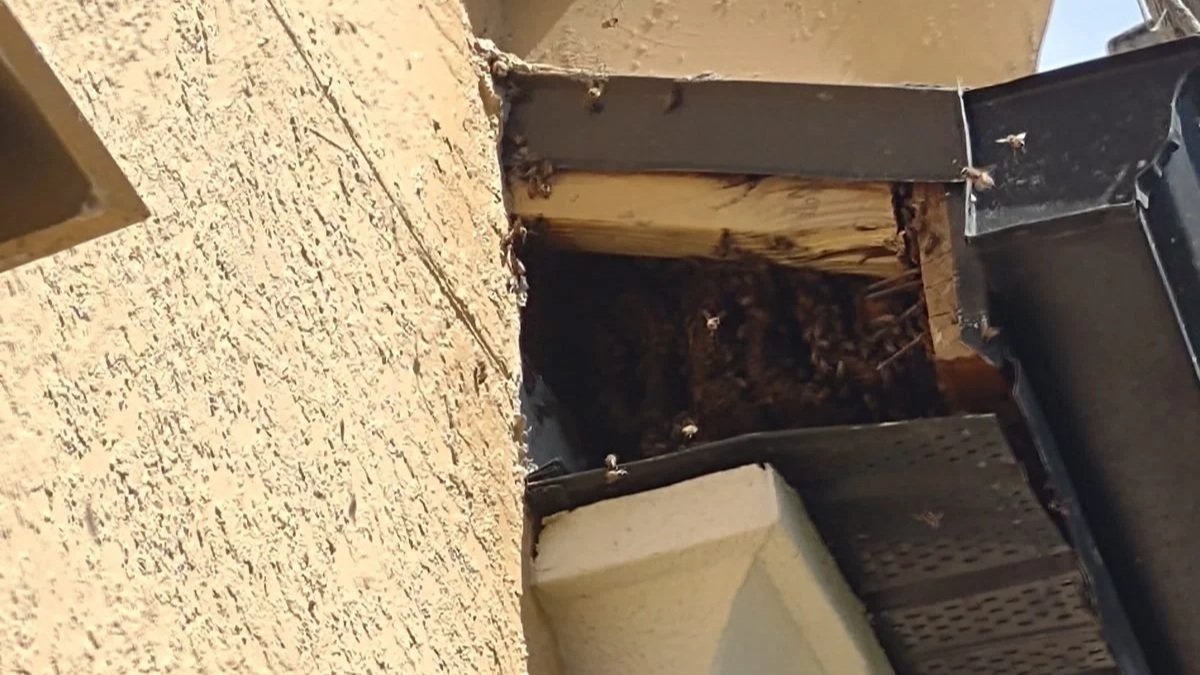
Bees Are Living Under Your Roof Tiles.
1. Bees Keep Flying In and Out of the Same Roof Opening
One of the clearest signs of a bee colony is repeated bee activity around the same spot.
Watch your roof from a safe distance. If you notice honey bees repeatedly entering and leaving a small gap between roof tiles, near the eaves, or along the roofline, they may be using that opening as an entrance to their hive.
A few bees passing through your yard are not necessarily a concern. However, consistent traffic to and from one specific location could indicate an established colony.
What to look for:
Bees flying toward the same roof tile or opening.
Continuous activity throughout the day.
Bees disappearing beneath the roof tiles.
Increased bee activity during warmer daylight hours.
Avoid blocking the entrance. Blocking it may trap bees inside the roof and make them search for another way out.
2. You Notice More Bees Around Your Roof and Home
Have you started seeing more bees around your windows, gutters, patio, or garden?
A growing number of bees around your property may indicate that a colony has established itself nearby.
Honey bees regularly leave their hive to collect nectar, pollen, and water. When their colony is located beneath your roof tiles, you may notice regular flight paths between the roof and nearby flowers or trees.
Pay particular attention to areas where bees repeatedly gather or follow the same flight pattern.
However, flowers and water sources can also attract bees. Look for repeated activity around a specific roof opening before assuming there is a hive.
3. You Hear Buzzing Coming From Beneath the Roof
Sometimes, you can hear a colony before you can see it.
If you notice a continuous buzzing sound coming from beneath your roof tiles, especially near the ceiling or roofline, it could mean bees are nesting inside the roof structure.
An established honey bee colony contains thousands of bees. Their combined movement and activity can produce a noticeable buzzing sound.
You may hear it more clearly during quiet periods or when standing near the affected area.
Do not remove roof tiles or cut into the ceiling to investigate. A professional bee removal specialist can inspect the area safely and determine whether a colony is present.
4. Bees Appear Around Ceiling Spaces or Attic Areas
Bees living beneath roof tiles may also access nearby roof cavities or attic spaces.
If you regularly find individual bees inside your home, particularly near ceiling lights, attic access points, or upper-floor windows, there may be an opening connecting your living space to the roof cavity.
This does not automatically mean there is a hive inside your ceiling. However, repeated appearances in the same area deserve attention.
A professional inspection can help identify where the bees are entering and whether a colony has developed inside the structure.
5. You Notice Honeycomb or Yellowish Stains
Another possible sign of an established bee colony is the presence of honeycomb or staining around the affected area.
As honey bees build their colony, they create wax honeycomb for storing honey, pollen, and raising young bees.
If honeycomb becomes damaged or honey leaks into surrounding materials, you may eventually notice:
Yellowish or brown stains on ceilings.
Sticky residue near roof openings.
A sweet smell coming from the roof cavity.
Honeycomb visible through gaps or damaged sections.
These signs suggest that the problem may have been developing for some time.
Honey and leftover comb can attract ants, rodents, and other unwanted pests. That is why removing the bees alone may not be enough. Any remaining honeycomb and affected materials may also need professional attention.
Learn more about why honeycomb removal is an important part of bee removal.
Why Do Honey Bees Choose to Live Under Roof Tiles?
Honey bees look for sheltered spaces where they can establish and protect their colony.
The gaps beneath roof tiles can provide a suitable environment because they may offer:
Protection from weather: Roof spaces help shield colonies from direct rain and harsh sunlight.
Hidden entry points: Small openings allow bees to enter and leave without attracting much attention.
Available space: Some roof cavities provide enough room for honeycomb development.
Nearby food sources: Gardens, flowering plants, and trees can provide nectar and pollen.
In Florida, warm weather and available flowering plants can support bee activity throughout much of the year. This makes it important for homeowners to pay attention to unusual bee activity around their roofs.
What Should You Do If Bees Are Living Under Your Roof Tiles?
Discovering a bee colony beneath your roof can be concerning, but the way you respond matters.
Honey bees play an important role in pollination and the environment. Killing them should not be the first option when professional live bee removal may be possible.
Here are some important steps to follow.
Step 1: Keep a Safe Distance
Avoid standing directly beneath the entrance or disturbing the bees. Keep children and pets away from the affected area.
Step 2: Do Not Block the Entrance
Never seal the opening with foam, caulk, or other materials while bees may still be inside. Trapping a colony can make the situation worse and may force bees into other parts of your home.
Step 3: Avoid Sprays and DIY Removal
Household insecticides and homemade removal methods can harm the colony without removing the honeycomb. They may also leave honey and wax inside the roof structure.
If you want to understand alternatives to chemical treatments, read our guide to live bee removal without chemicals.
Step 4: Contact a Professional Bee Removal Specialist
An experienced bee removal professional can inspect the roof, identify the colony's location, and determine the safest removal approach.
Explore our professional live bee removal services to learn more about the available options.
How Does Professional Live Bee Removal Work?
Every roof is different, so the removal method depends on the colony's location, roof construction, and accessibility.
A typical professional live bee removal process may include:
Initial inspection: The specialist examines bee activity, entry points, and the surrounding roof structure.
Locating the colony: The professional determines where the bees and honeycomb are located.
Safe access: Suitable access is created to reach the colony while minimizing unnecessary damage to the property.
Live bee removal: The bees are carefully removed using an appropriate live removal and relocation approach.
Honeycomb removal: Remaining honeycomb, honey, and affected materials are addressed to help prevent future pest problems.
Sealing entry points: Once the removal is complete, suitable entry points can be repaired or sealed to discourage future colonies.
The exact process depends on the condition of the roof and the location of the hive. You can also read about our live bee removal project in a Florida palm tree to learn more about how bee colonies can establish themselves in different structures.
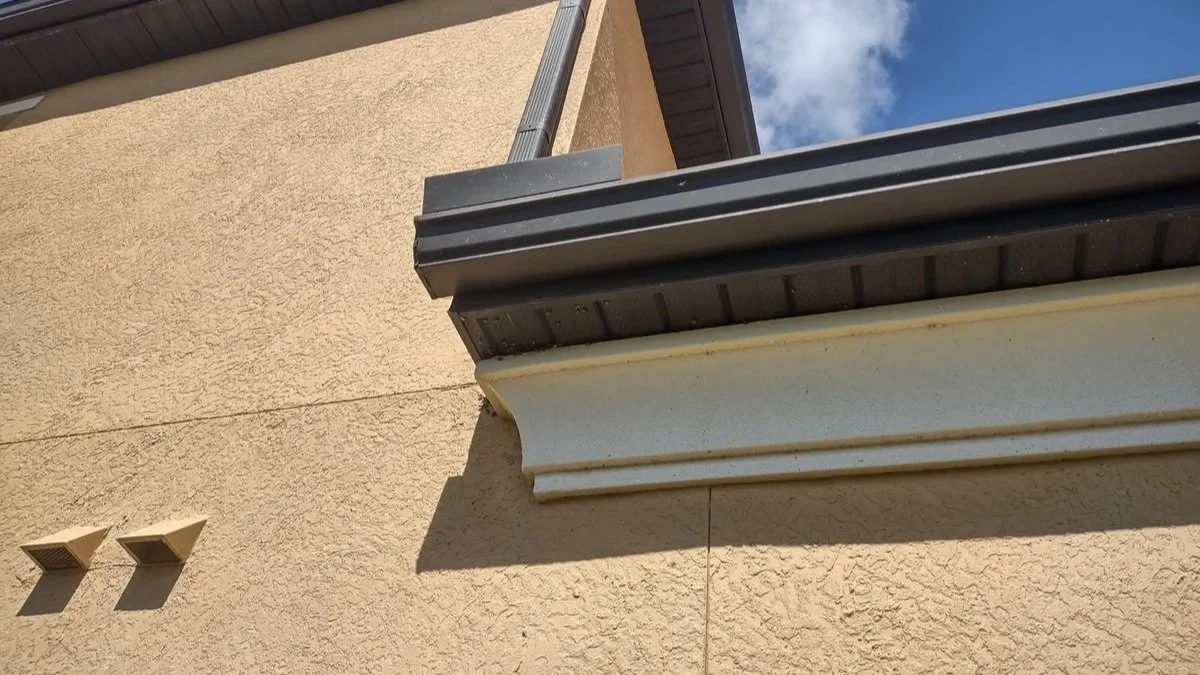
Exterior house roof soffit and gutter during a professional bee removal inspection.
Can Bees Living Under Roof Tiles Damage Your Home?
Yes. An established honey bee colony can create problems if it remains inside a roof cavity for an extended period.
Honeycomb can grow inside concealed spaces, and stored honey may leak if the comb becomes damaged or melts in high temperatures. This can stain ceilings, affect building materials, and attract other pests.
The longer a colony remains undetected, the more complicated removal may become.
Early professional inspection can help identify the extent of the problem before it develops further.
Professional Live Bee Removal in Florida
If you suspect honey bees are living beneath your roof tiles, Eco Bee Removal can help you understand your options.
Founded by beekeeper Steve Behncke, Eco Bee Removal focuses on providing alternatives to simply killing honey bees. Our goal is to help homeowners address bee colonies while considering the importance of these pollinators.
Whether bees are nesting beneath roof tiles, inside a soffit, behind a wall, or within an attic space, identifying the colony and choosing the right removal approach is essential.
Do not wait until a small opening becomes a larger problem.
Get Free Information About Your Bee Removal Options.
Contact Eco Bee Removal at (888) 282-1886 to discuss your situation and learn about possible live bee removal solutions.
Frequently Asked Questions
How do I know if bees are nesting under my roof tiles?
Look for repeated bee activity around the same roof opening, bees disappearing beneath tiles, persistent buzzing, and honeycomb or staining near the affected area.
Can honey bees live under roof tiles?
Yes. Gaps and cavities beneath roof tiles can provide honey bees with shelter and space to establish a colony.
Should I block the hole where bees enter my roof?
No. Blocking the entrance while bees are inside can trap the colony and make the situation worse. Contact a professional before attempting any repairs.
Will bees leave my roof on their own?
Some swarms may move on, but an established colony with honeycomb is more likely to remain. A professional inspection can help determine what is happening.
Can a bee colony under roof tiles damage my house?
Yes. Honeycomb, stored honey, and accumulated wax can create problems inside roof cavities and may attract other pests.
Who should I contact for bee removal in Florida?
Contact an experienced bee removal specialist who can inspect the colony and discuss suitable live bee removal options for your property.