
Why Removing Honeycomb Is More Important Than Removing Bees.
When most homeowners discover a bee infestation, their first instinct is to remove the bees as quickly as possible. While this is an important step, it is not the complete solution. In fact, the most critical part of any safe and long-lasting bee removal is removing the honeycomb left inside walls, roofs, attics, or soffits.
If the honeycomb remains, the problem continues—even after the bees are gone. As a professional bee removal company in Florida, we see this mistake almost every week. Many homeowners hire someone who removes the bees but leaves the hive structure behind, which leads to leaks, rotting wood, melting honey, and new bee colonies returning to the same spot.
This blog explains why removing honeycomb is more important than eliminating bees, the risks of leaving it behind, and how proper live bee removal protects your home in the long term.
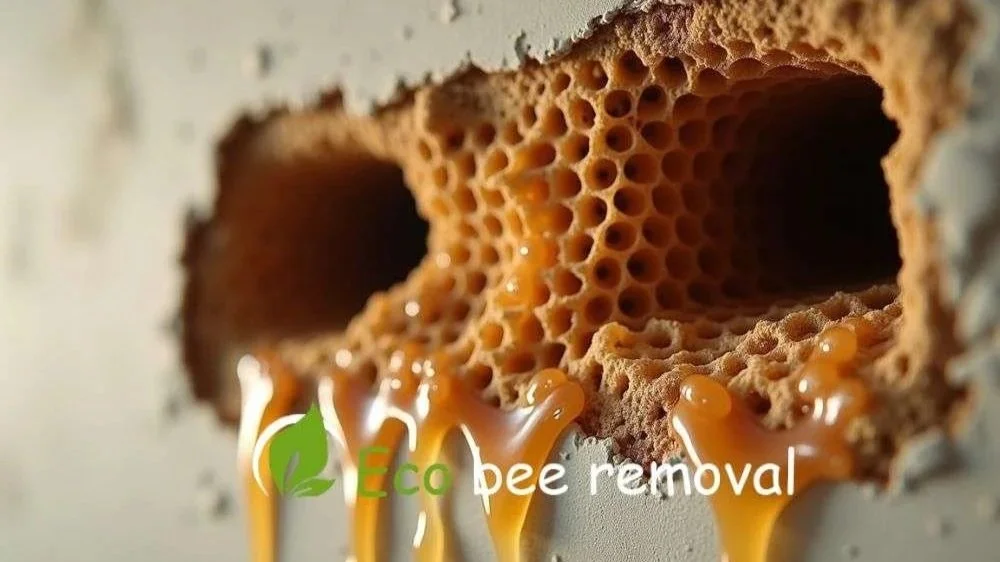
Melted honeycomb inside a wall.
Why Bees Alone Are NOT the Main Problem
When bees move inside a home, they quickly begin building a comb. This comb holds honey, pollen, larvae, and the scent of the colony. Removing only the bees is similar to removing tenants but leaving their furniture, food, and supplies behind—it will attract new occupants.
Most bees are relocated humanely by professionals, but the honeycomb must also be removed to avoid serious property damage and repeated infestations.
1. Honeycomb Can Melt and Damage Your Home
Florida’s heat—especially in summer—causes honey and wax inside walls to melt.
When this happens, the results are costly:
• Honey leaks through drywall or ceilings
It can leave dark stains and sticky residue that is extremely difficult to clean.
• Wax melts and spreads inside the insulation
This creates moisture pockets that lead to mold.
• Rotten wood and bad odors
Honey attracts moisture, which weakens wood structures and produces a sour smell.
• Attracts pests like ants, roaches, and rodents
Sweet honey draws in unwanted insects and small animals that create even more problems.
Even a small honeycomb can cause expensive repairs if left inside the home.
2. The Scent of Honeycomb Attracts New Bee Colonies
Bees do not randomly choose places to start hives. They follow scent markers. A leftover hive contains:
Queen pheromones
Wax scent
Honey odor
Brood smell (larvae)
These scents act like a “welcome back” sign to other bee colonies.
This is why many homeowners experience repeat bee infestations in the same spot, even years later. Removing the bees without removing the comb guarantees they will return.
3. Leftover Honeycomb Attracts Other Pests and Wildlife
You might think the problem ends when the bees are removed, but leftover honeycomb becomes a buffet for other pests, including:
Ants
Beetles
Moths
Roaches
Mice and rats
Raccoons
These animals are attracted to the smell of wax, pollen, dead bees, and honey. What began as a bee problem can easily turn into a major pest infestation.
4. Honeycomb Can Become a Fire Hazard
Dry honeycomb and wax are highly flammable.
Inside attics, soffits, or electrical chase areas, old honeycomb can significantly increase the risk of fire—especially when it is near:
Electrical wiring
HVAC lines
Hot attic spaces
Light fixtures
A full hive left behind becomes a hidden fire risk that many homeowners never realize until it’s too late.
5. Honeycomb Absorbs Heat and Moisture, Leading to Mold
Honeycomb acts like a sponge. When exposed to Florida humidity, it absorbs moisture and becomes a breeding ground for mold and bacteria.
This can cause:
Musty odors
Allergies and respiratory issues
Wood rot
Structural weakening
Removing the honeycomb helps protect indoor air quality and the long-term health of your home.
6. Proper Repairs Can’t Be Done Without Removing the Honeycomb
To fix bee damage correctly, a professional must inspect:
Wood framing
Insulation
Drywall
Roof or soffit materials
Electrical components
If honeycomb remains, repairs are temporary because the damaged materials stay contaminated with wax or honey.
A proper bee removal service includes:
Live bee relocation
Full honeycomb removal
Cleaning and decontamination
Bee-proofing the entry point
Repairing the area
This ensures the problem does not come back.
7. Honeycomb Removal Prevents Expensive Future Repairs
Leaving honeycomb inside a wall may seem harmless, but the long-term costs can be huge:
Homeowners often face:
Roof repair
Drywall replacement
Mold remediation
Insulation replacement
Pest control services
Repeated bee removal
Removing the honeycomb the first time is the cheapest and most effective way to solve the issue permanently.
8. Professional Honeycomb Removal Ensures Full Decontamination
A hive contains:
Dead bees
Mold
Pollen
Bee brood
Fermented honey
Wax and debris
Pheromones
If not removed properly, the smell will linger and keep attracting pests and bees.
Professionals use eco-friendly cleaners and odor neutralizers to ensure the space is completely sanitized.
9. Live Bee Removal + Honeycomb Removal = Eco-Friendly Solution
Removing the bees humanely is important, but relocating them without removing the honeycomb is not considered eco-friendly or responsible.
Why?
Because new bees will enter, and the cycle continues.
True eco-friendly bee removal means:
Saving the bees safely
Removing the honeycomb properly
Preventing future infestations
Protecting your home and local environment
This is the approach used by professional bee removal companies throughout Florida.
10. Sealing and Bee-Proofing Requires an Empty Space
Once the honeycomb is removed, professionals can seal:
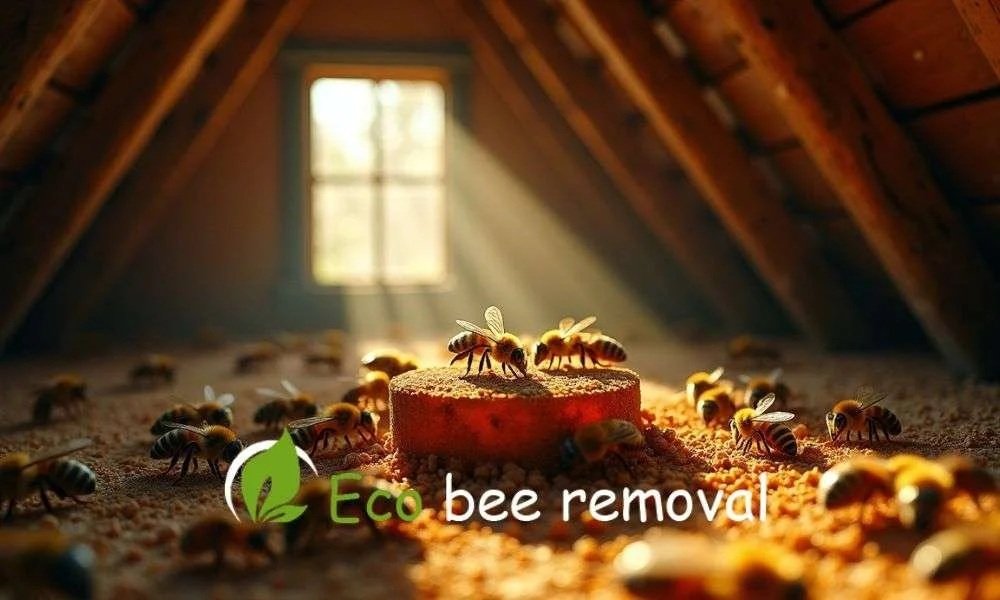
Eco Bee Removal – Safe Attic Bee Infestation Cleanup.
Gaps
Cracks
Holes
Entry points
Bee-proofing only works when the area is fully cleaned. If honeycomb remains, sealing the space can trap melting honey inside, causing worse damage.
Honeycomb Removal Is the TRUE Solution
Removing the bees is only half the job. To protect your home, prevent repeat infestations, and avoid costly damage, honeycomb removal is essential.
A complete bee removal service should always include:
✔ Live bee relocation
✔ Honeycomb removal
✔ Cleanup and decontamination
✔ Repairs
✔ Bee-proofing
If you want long-term protection and an eco-friendly solution, always choose a licensed bee removal professional who removes both bees and honeycomb.