
How Temperature Fluctuations Affect Honeycomb Strength in Florida.
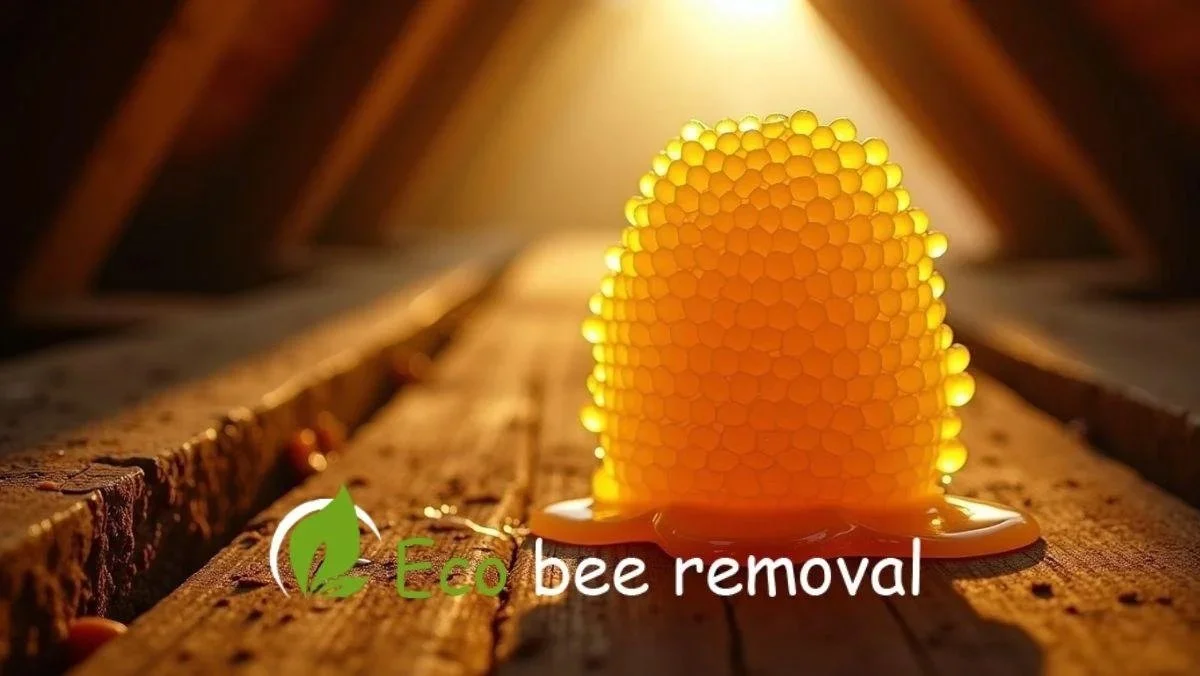
How Florida heat weakens honeycomb inside homes
Florida’s warm climate is ideal for honey bees—but it also presents unique challenges that many homeowners and even some beekeepers don’t realize. One of the most overlooked issues is how temperature fluctuations affect honeycomb strength, especially in attics, walls, roofs, and outdoor structures.
In Florida, honeycomb failure isn’t just a bee problem—it’s a structural, sanitation, and property damage issue. Understanding how heat, humidity, and sudden temperature changes weaken honeycomb helps explain why professional bee removal and relocation are often theirproperty damage issue. own weight. so important in this region.
In this article, we’ll break down how honeycomb is built, why Florida’s temperatures are hazardous, and what happens when honeycomb loses its strength inside homes.
Understanding Honeycomb Structure
Honeycomb may look delicate, but it’s actually an engineering marvel.
Bees create honeycomb using beeswax, which they produce from glands on their abdomen. This wax is shaped into hexagonal cells designed to:
Store honey and pollen
Raise brood (baby bees)
Support the weight of thousands of bees
Under stable temperatures, honeycomb is surprisingly strong. In ideal conditions, it can support many times its own weight. However, beeswax has a critical weakness—heat sensitivity.
The Melting Point of Beeswax (Why Heat Matters)
Beeswax begins to soften at approximately 95°F (35°C) and becomes increasingly unstable as temperatures continue to rise. At approximately 104°F–107°F, the wax loses much of its rigidity.
Now consider Florida conditions:
Attics often exceed 120°F
Wall cavities trap heat and moisture
Sudden temperature shifts occur between day and night
This creates a perfect storm for honeycomb deformation and collapse.
Florida’s Temperature Fluctuations Explained
Florida isn’t just hot—it’s unpredictably hot.
Key temperature challenges include:
Extreme daytime heat
Cooler nighttime temperatures
Rapid weather changes
High humidity levels
Heat trapped inside structures
Unlike natural tree hives, homes amplify temperature stress. Roofing materials, insulation, and enclosed spaces trap heat far beyond what bees experience in nature.
How Heat Weakens Honeycomb in Florida Homes
1. Wax Softening and Sagging
When bees build honeycomb inside attics or walls, the wax begins to soften during peak heat hours. As honey fills the cells, the added weight causes the comb to sag, bend, or tear away from its anchor point.
This is one of the most common reasons:
Honey leaks through ceilings
Walls develop sticky stains
Ants and roaches appear suddenly
2. Honeycomb Collapse
As temperatures fluctuate daily, wax expands and contracts. Over time, this repeated stress weakens the structural integrity of the honeycomb.
Eventually:
Entire sections fall
Honey spills into insulation
Dead bees accumulate
Odors develop
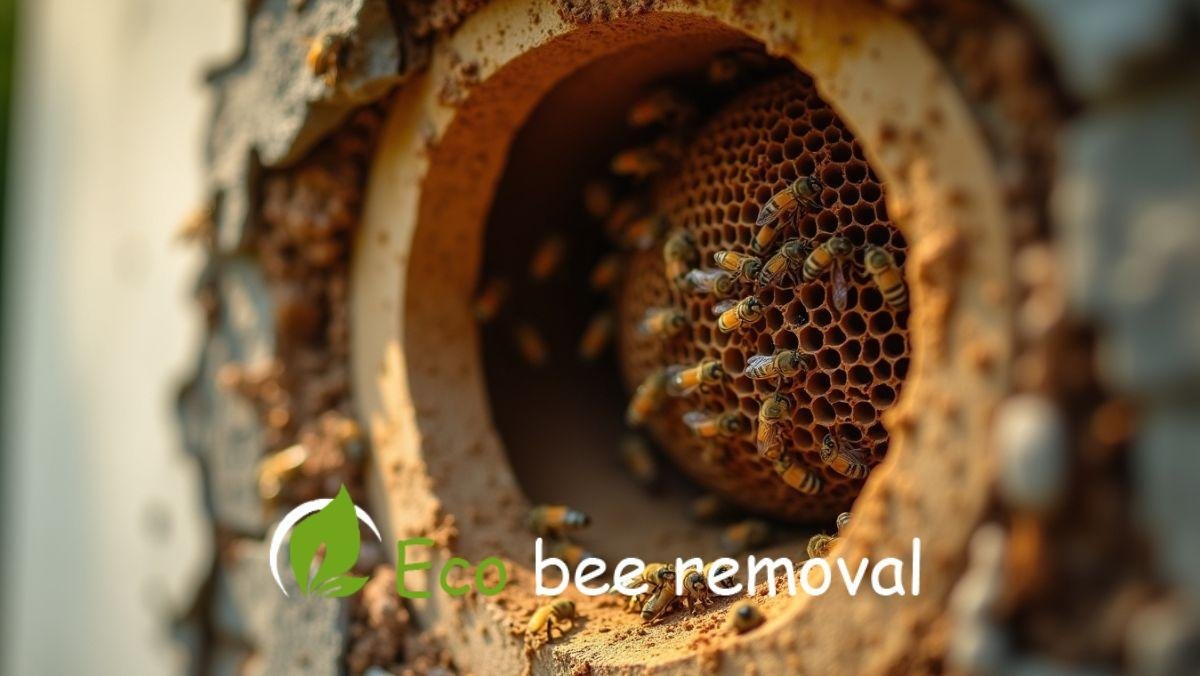
Bee hive inside wall affected by Florida heat
Once collapse begins, damage accelerates quickly.
3. Increased Honey Fermentation
Heat doesn’t just affect wax—it affects honey itself.
In warm, humid environments:
Honey absorbs moisture
Fermentation occurs
Pressure builds inside cells
Honey becomes heavier
This extra weight places additional strain on the already weakened comb, increasing the likelihood of failure.
Why Attics Are the Most Dangerous Location
In Florida, attic bee infestations are the most problematic.
Attics:
Reach extreme temperatures
Lack airflow
Trap moisture
Offers little structural support for the comb
When honeycomb fails in an attic, homeowners often experience:
Honey dripping from ceilings
Mold growth
Structural wood damage
Pest infestations
This is why delayed bee removal can turn a simple hive into a costly repair job.
Temperature Swings and Nighttime Cooling
Florida nights may cool slightly, but not enough to stabilize honeycomb.
Instead, the cycle looks like this:
Wax softens during the day
Slight hardening at night
Repeated expansion and contraction
Micro-cracks form
Structural failure follows
Over weeks or months, this cycle dramatically reduces honeycomb strength.
Outdoor Hives vs. Structural Hives
Bees naturally prefer tree cavities because:
Temperatures remain more stable
Airflow regulates humidity
Comb attaches to irregular surfaces
Homes, however:
Have flat, artificial surfaces
Experience temperature spikes
Retain heat longer
This makes honeycomb inside structures far more vulnerable than outdoor or managed hives.
What Happens If the Hive Is Killed Instead of Removed?
In Florida, heat damage becomes far worse when bees are exterminated instead of relocated.
Without bees:
Honeycomb is no longer maintained
Wax softens unchecked
Honey leaks freely
Structural damage continues
Dead hives don’t stop problems—they accelerate them, especially in warm climates.
Why Professional Bee Removal Is Essential in Florida
Temperature-related honeycomb failure is one of the biggest reasons professional bee removal is necessary.
Experienced bee removal specialists:
Remove bees alive and safely
Extract all honeycomb
Prevent future melting and leaks
Seal entry points
Protect your structure long-term
Simply spraying or ignoring a hive almost always leads to worse outcomes in Florida’s climate.
Long-Term Risks of Ignoring Heat-Weakened Honeycomb
If a hive is left untreated, homeowners may face:
Ceiling collapse
Electrical hazards
Mold contamination
Pest infestations
Expensive repairs
Early removal saves money, protects the home, and helps preserve pollinators.
Final Thoughts: Florida Heat Changes Everything
Honeycomb is strong—but not designed for Florida’s extreme and fluctuating temperatures inside homes. Heat softens wax, weakens the affect honeycomb strength explainsstructure, and eventually causes failure.
Understanding how temperature fluctuations affect honeycomb strength explains why:
Bee infestations escalate quickly in Florida
Attic hives are especially dangerous
Live bee removal is the safest option
If you suspect bees in your attic or walls, acting early can prevent serious damage and protect both your home and the bees.