
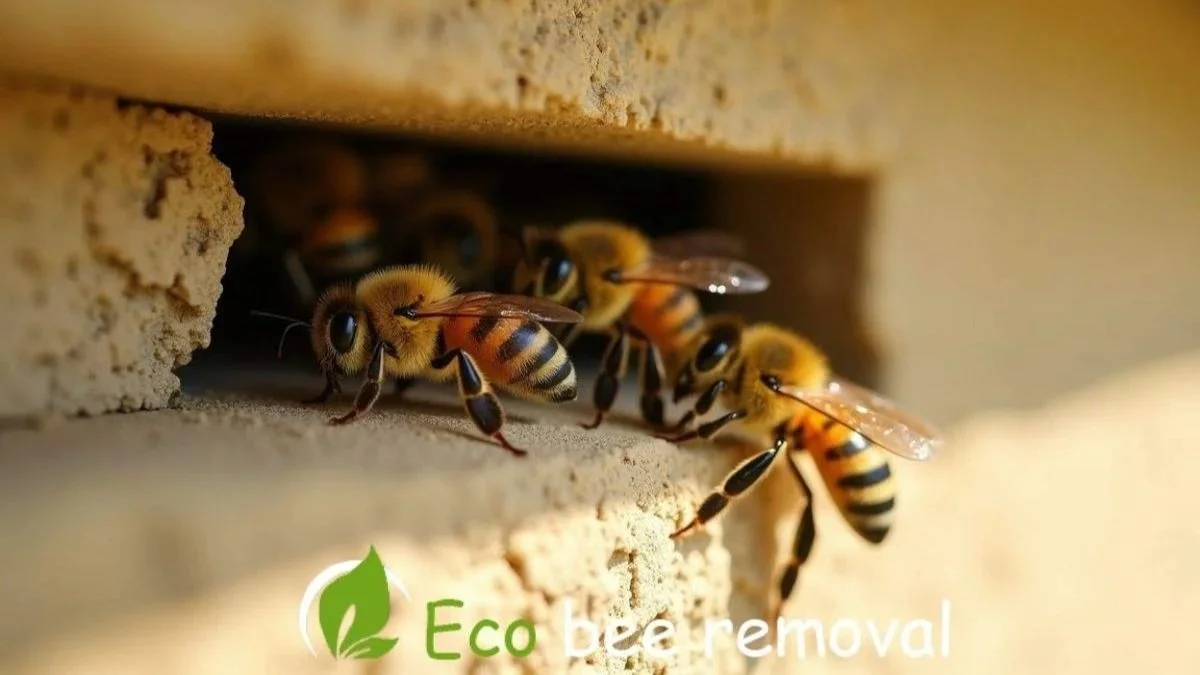
Florida’s high pollen season as foragers collect food to support rapid hive growth.
Florida is renowned for its sunshine, tropical climate, and extended blooming seasons. But what many homeowners don’t realise is that these same conditions make Florida one of the most active bee regions in the country — especially during high pollen seasons. When pollen levels spike in the spring and fall, honey bees dramatically increase their foraging, hive expansion, and reproduction.
If you’ve ever noticed sudden bee activity around your home, garden, or roofline, there’s a good chance Florida’s pollen surge is playing a major role.
In this in-depth guide, we’ll explore why high pollen seasons trigger hive activity, how it affects homes, and what you can do to stay safe while protecting Florida’s essential pollinators.
Florida’s Unique Climate and Year-Round Pollen Production
Florida isn’t like most states. While other parts of the country experience relatively short blooming seasons, Florida produces pollen almost year-round thanks to its subtropical climate. The state’s warm temperatures, regular rainfall, and abundant plant species create the perfect conditions for bees to thrive.
Bees entering a gap in a Florida wall.
🌴 Major Florida Pollen Sources:
Palm trees
Oak trees
Melaleuca
Ragweed
Goldenrod
Citrus orchards
Wildflowers
When these plants release pollen, bees respond immediately — and in large numbers.
Why Bees Become More Active During High Pollen Seasons
Pollen is more than just a powdery yellow dust. For bees, it is their primary source of protein, essential for brood growth and hive development. When Florida enters a period of heavy pollen, bee colonies detect the abundance of resources and shift into high-production mode.
Here’s what happens inside the hive:
1. Increased Foraging Activity
Honey bees leave the hive in larger numbers to gather pollen. You’ll notice more bees on flowers, lawns, trees, and even water sources.
Why:?
More pollen = more available food
Healthy pollen flow allows the hive to raise more brood
Foragers work longer hours and at greater distances
This is why homeowners often see sudden activity around their yards, gardens, and home exteriors.
2. Rapid Hive Expansion
When pollen is abundant, the queen bee speeds up egg-laying. A single queen can lay up to 2,000 eggs per day during peak flow. This leads to:
More worker bees
More foragers
More demand for hive space
In Florida homes, this often pushes colonies to expand into attics, walls, or soffits.
3. Increased Swarming Behavior
High pollen seasons are also peak swarming seasons.
A swarm happens when a colony becomes too crowded, and half the bees leave with a new queen to build a second hive. This is a natural reproduction method — and Florida's pollen-rich climate accelerates it.
Swarming increases:
Bee sightings around eaves or rooflines
Temporary clusters on trees or buildings
New hives are forming inside structures
Many homeowners mistake swarms for aggressive behavior, but swarming bees are usually harmless and searching for a new home.
4. More Honey Production
With pollen comes nectar. The more bees forage, the more honey they store. While good for the bees, this often leads to:
Overstuffed hive cavities
Hives expanding into new structural gaps
Higher attraction to walls or soffits with voids
This is why Florida residents frequently discover hidden hives behind stucco, siding, or inside hollow walls.
How High Pollen Seasons Affect Florida Homeowners
During peak pollen months — typically February–May and September–November — bee activity around homes significantly increases.
Here’s what homeowners commonly experience:
✔ More bee traffic around entry points
Bees may scout near soffits, vents, cracks, or rooflines searching for new hive locations.
✔ Unexplained buzzing in walls
A hive may already be forming inside your home’s structure.
✔ Bees clustering on trees or fences
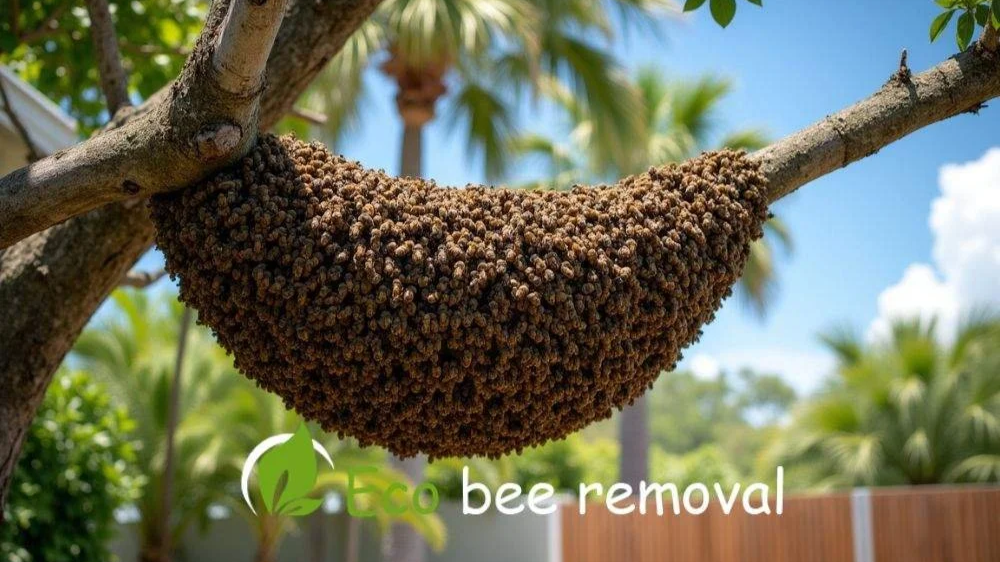
This is usually a swarm resting temporarily while scout bees search for a new home.
✔ Stronger bee presence in pools, fountains, or hose bibs
Foragers collect water to regulate hive temperature.
✔ Sticky residue or dark stains on walls
This could be honey seepage from a hidden hive.
The combination of warm weather and high pollen levels creates perfect hive-building conditions — which is why Florida is one of the busiest bee-removal states in America.
Why Eco-Friendly Bee Removal Is Essential During Pollen Season
Because bees are more active and colonies grow faster, removing a hive safely is more important than ever. Killing bees not only harms the environment but also causes long-term structural damage from melting honey, wax, and brood.
⭐ Why Live Bee Relocation Matters:
Protects Florida’s pollinator populations
Prevents honey rot and odor problems
Avoids attracting new colonies
Keeps your home structurally sound
Supports local agriculture and gardens
Professional bee removal teams relocate the hive to local beekeepers, where the colony can continue helping Florida’s ecosystem.
How to Prevent Bee Infestations During High Pollen Months?
✔ Seal cracks and gaps around soffits and rooflines
Bees need only a ⅛-inch opening to enter.
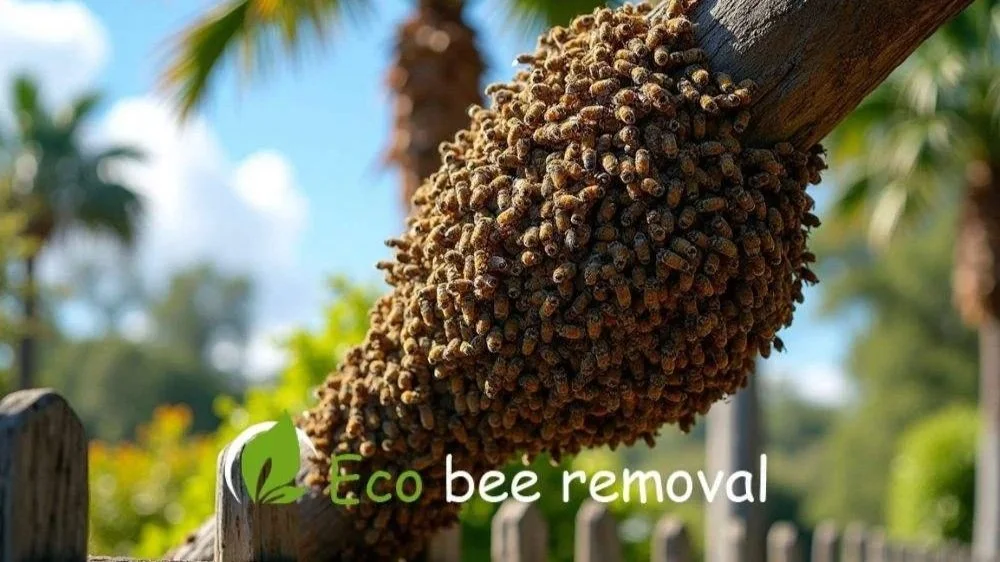
Eco-friendly bee removal service.
✔ Install screens on attic vents
This blocks scouts from exploring your attic.
✔ Keep yard debris minimal
Old logs or hollow spaces attract bees.
✔ Monitor warm, south-facing walls
Bees prefer warm, protected cavities.
✔ Don’t block an active hive
Sealing bees inside causes them to spread deeper into walls.
✔ Call a licensed bee removal expert
Early intervention prevents larger infestations.
Signs You Need Professional Bee Removal
Contact a bee removal service immediately if you notice:
Persistent buzzing inside the walls
Bees entering a specific hole repeatedly
Honey dripping or stains on stucco
Bees gathering in large numbers near rooflines
A visible swarm hanging on your property
Strong, sweet, or musty smells indoors
Sudden activity increases during pollen season
High pollen periods accelerate hive growth, so early action protects both your home and the bees.
Final Thoughts: Florida's Pollen Seasons Are a Blessing—But Also a Bee Warning
Florida’s high pollen seasons are a crucial part of the ecosystem. They feed bees, support pollination, and help agriculture flourish. But they also bring increased hive activity, more swarming, and a higher chance of bees choosing homes, soffits, and rooflines as nesting sites.
Understanding bee behavior during pollen surges helps homeowners stay prepared, avoid unexpected infestations, and protect these essential pollinators.
If you see increased bee activity around your home this season, choosing live bee relocation is the safest and most eco-friendly option for both your property and Florida’s environment.