
How Bees Choose the “Perfect Spot” for New Colonies.
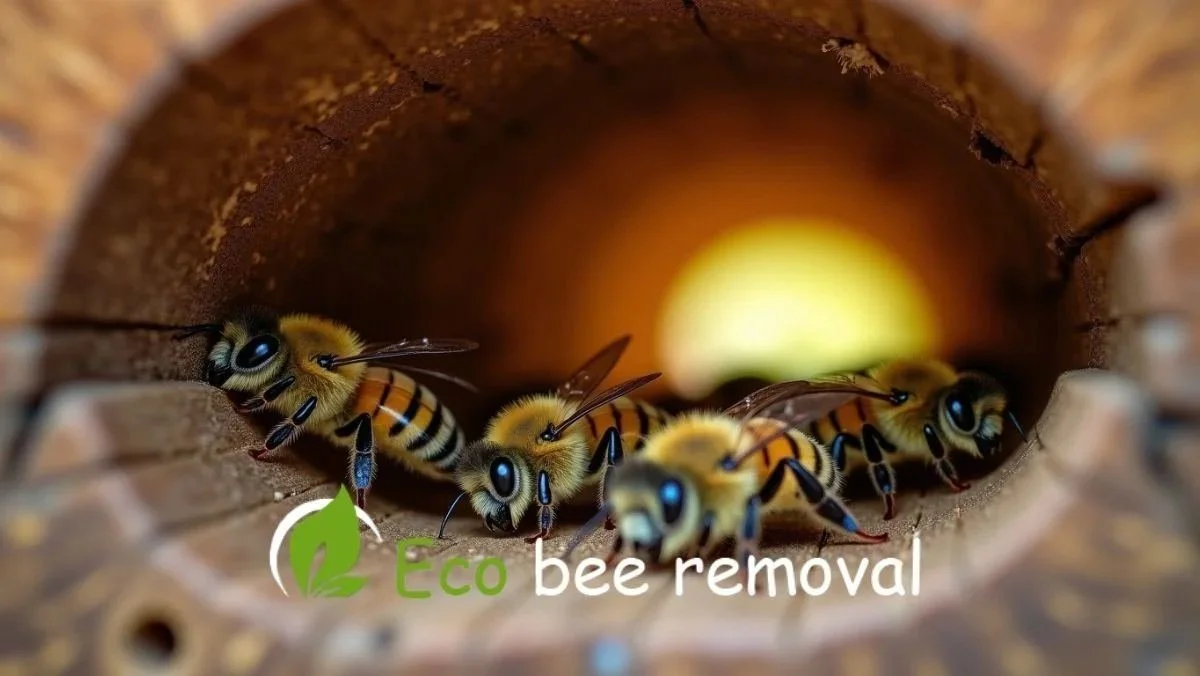
Bee ultraviolet vision and nesting behavior.
When bees leave an old hive or swarm to form a new colony, they don’t settle just anywhere. Choosing a new home is a life-or-death decision for the colony. The location must protect them from weather, predators, and human disturbance—while also providing access to food and water.
Understanding how bees choose the perfect spot for new colonies helps homeowners recognize why bees often move into walls, attics, soffits, trees, or other structures. It also explains why professional, eco-friendly bee removal is so important.
In this article, we’ll explore the fascinating decision-making process bees use when selecting a new nesting site—and why your home sometimes meets all their requirements.
Why Does Choosing the Right Location Matter to Bees?
A honey bee colony can contain 20,000 to 60,000 bees, including the queen, workers, and brood. Once bees move into a location, they intend to stay long-term. A poor choice could expose them to flooding, cold, overheating, or predators—causing the colony to fail.
That’s why bees are extremely selective. Their survival depends on finding a space that offers:
Safety
Shelter from the weather
Stable temperatures
Nearby food sources
Minimal disturbance
Only locations that meet multiple strict conditions are considered acceptable.
The Swarming Process: How Bees Start the Search
When a colony becomes overcrowded or the queen ages, bees prepare to swarm. The old queen leaves with thousands of workers to search for a new home.
Before the swarm settles permanently, scout bees are sent out to inspect potential locations. These scouts carefully evaluate each option and report back to the swarm through a unique communication method known as the waggle dance.
The better the location, the more enthusiastic the dance.
Eventually, the colony reaches a consensus—often within a few days—and moves into the chosen site.
What Bees Look for in the “Perfect Spot”
1. Enclosed and Protected Spaces
Bees prefer enclosed cavities rather than open areas. Hollow trees are their natural choice, but human structures often provide similar conditions.
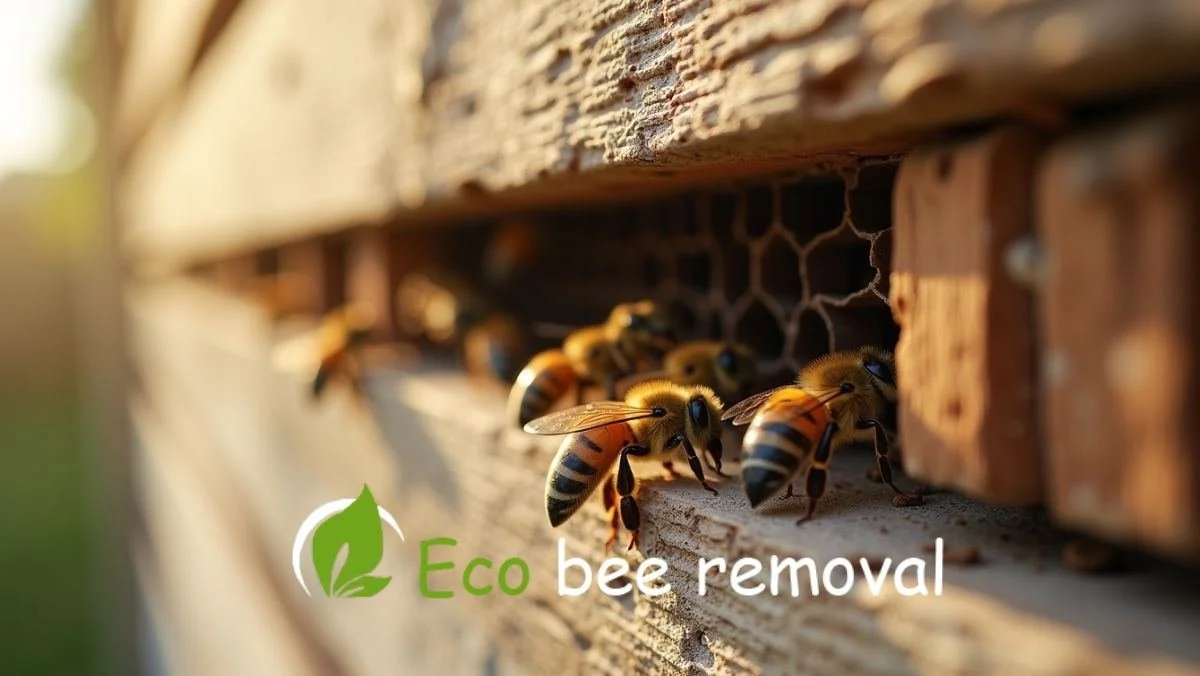
Honey bees inspecting a nesting space using advanced vision.
Common locations include:
Wall voids
Attics
Roof soffits
Chimneys
Sheds
Tree hollows
Enclosed spaces protect the colony from rain, wind, predators, and temperature extremes.
2. Proper Size of the Cavity
Bees don’t want a space that’s too small or too large. Research shows that bees prefer cavities roughly 10–15 gallons in volume, which allows room for honey storage, brood growth, and air circulation.
That’s why wall cavities and attic corners are so attractive—they often provide the perfect amount of space without requiring extra construction.
3. Stable Temperature Control
Temperature stability is critical for raising brood. Bees actively regulate the hive temperature, keeping it around 93–95°F inside the brood area.
Ideal nesting sites:
Stay warm in cooler months
Avoid extreme heat in summer
Are insulated from sudden temperature changes
Homes, especially in warm climates like Florida, naturally provide this balance—making them highly attractive to bees.
4. Dry Conditions and Good Drainage
Moisture can destroy a colony. Excess water leads to mold, disease, and weakened honeycomb.
Bees carefully avoid:
Flood-prone areas
Leaky structures
Ground-level cavities
Elevated spaces such as walls, roofs, and trees offer dry, well-drained environments that help colonies thrive year-round.
5. Small, Defensible Entrance
Bees prefer small entrances that are easy to defend from predators like wasps, ants, or rodents.
Cracks in siding, gaps near vents, damaged soffits, or openings around pipes often become perfect entry points. Once bees discover a suitable opening, they can build a full hive behind it in a surprisingly short time.
6. Nearby Food Sources
A perfect hive location must be close to food. Bees rely on nectar and pollen from flowers, trees, gardens, and crops.
Homes near:
Flowering landscapes
Farms
Citrus groves
Gardens
Parks
are especially appealing. Shorter travel distances allow bees to conserve energy and produce more honey.
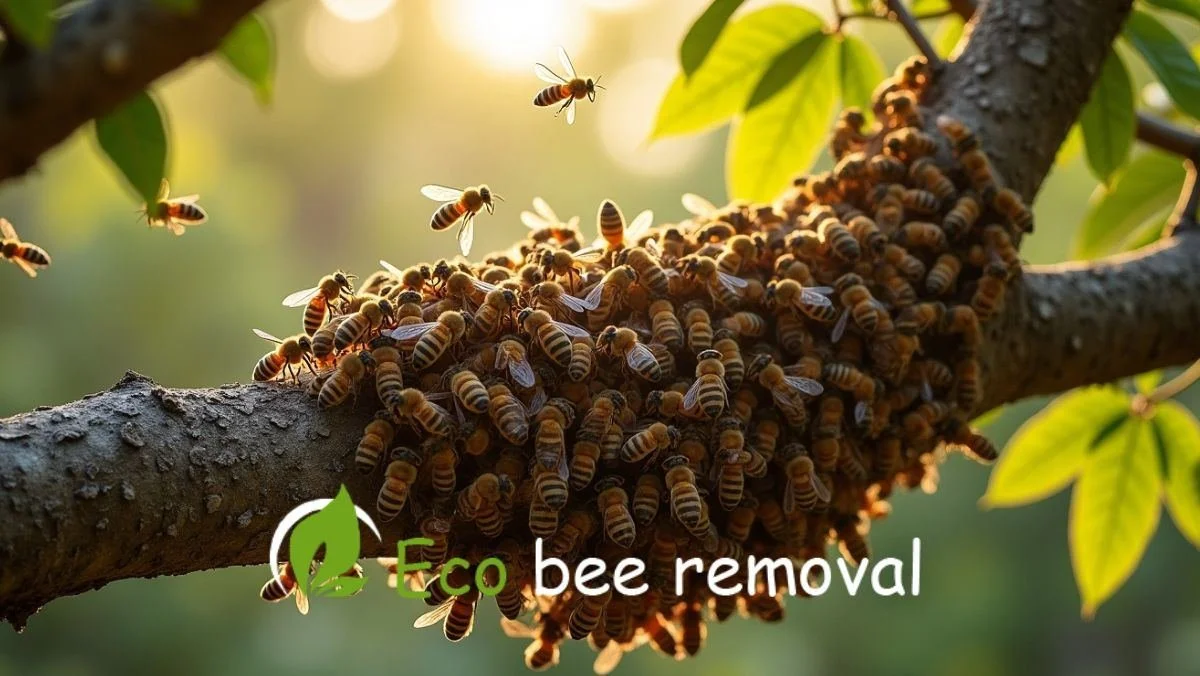
Swarming bees looking for the perfect place to settle.
7. Access to Water
Bees need water to:
Cool the hive
Dilute honey
Support brood development
Nearby ponds, birdbaths, pools, sprinklers, or natural water sources make a location even more desirable.
Why Bees Often Choose Homes Over Trees
In many modern environments, natural tree cavities are limited due to urban development. As a result, bees adapt.
Homes often provide:
Better insulation
Fewer predators
Long-lasting shelter
Stable conditions
From a bee’s perspective, a wall cavity can be better than a hollow tree—even though it creates problems for homeowners.
How Fast Bees Can Establish a Colony
Once a location is chosen, bees work quickly. Within days, they can:
Build honeycomb
Store nectar
Begin raising brood
If left untreated, a small swarm can become a large, established colony in just a few weeks. This is why early detection is critical.
Signs Bees Have Chosen Your Home
You may notice:
Increased bee activity around one spot
Bees entering and exiting a small crack
Buzzing sounds inside the walls
Honey dripping or stains on drywall
A strong honey or wax smell
These signs indicate bees have already selected your home as their “perfect spot.”
Why Professional Bee Removal Is Important
Once bees move in, removal should never involve the use of pesticides or killing the colony. Killing bees harms pollinators and often leaves honeycomb behind, which can attract pests and cause structural damage.
Professional live bee removal:
Safely relocates the colony
Protects the queen
Prevents future infestations
Supports pollinator populations
Eco-friendly bee removal addresses the root of the problem while preserving the bees' lives.
How to Make Your Home Less Attractive to Bees?
You can reduce the risk of bees choosing your home by:
Sealing cracks and gaps
Repairing damaged soffits and siding
Installing vent covers
Removing old comb or hive residue
Scheduling regular inspections
Preventive steps go a long way in avoiding future colonies.
Final Thoughts: Nature’s Careful Planners
Bees don’t choose nesting sites randomly. Their decision-making process is precise, strategic, and focused on survival. Unfortunately, many homes meet all the criteria bees look for—making human-bee conflicts common.
By understanding how bees choose the perfect spot for new colonies, homeowners can act early, protect their property, and ensure bees are relocated safely and responsibly.
At Eco Bee Removal, protecting bees and your home go hand in hand.