
How Bee Removal Helps Florida Citrus Growers Recover Crops.
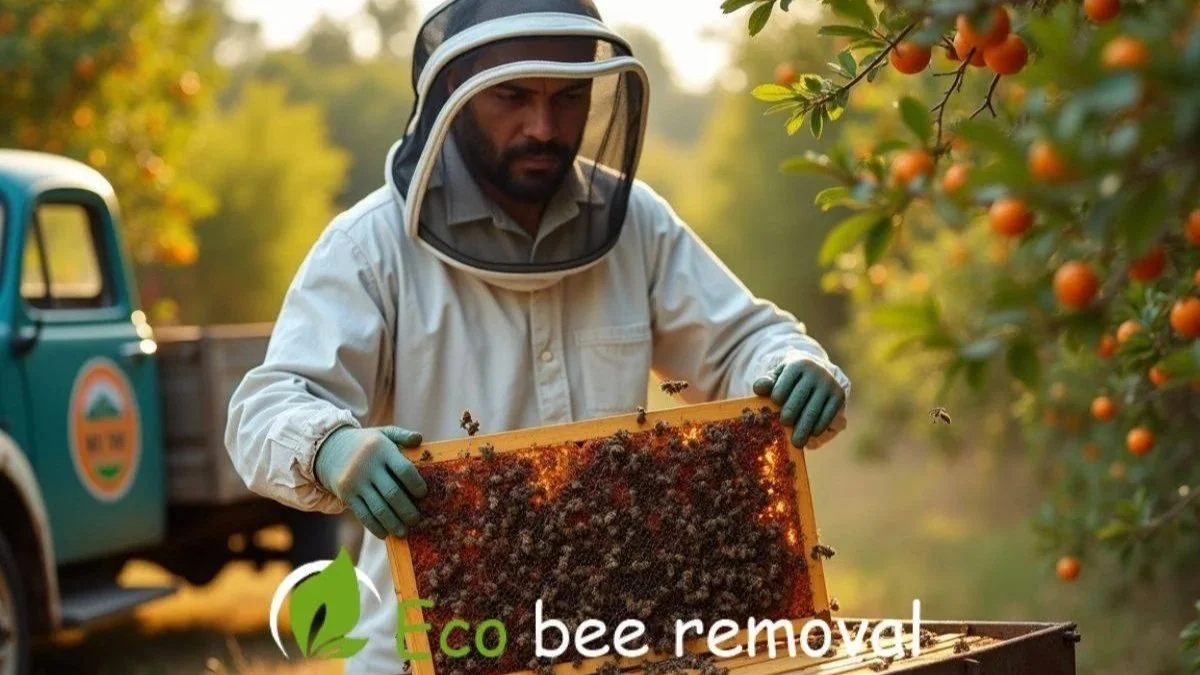
Bee Removal Helps Florida Citrus Growers Recover Crops.
Florida’s citrus industry is one of the most important agricultural sectors in the United States. Oranges, grapefruits, lemons, and limes grown in Florida are shipped across the country and around the world. However, citrus farmers face many challenges, including pests, diseases, extreme weather, and unexpected bee infestations.
While bees are essential pollinators and benefit agriculture, unmanaged or misplaced bee colonies inside equipment sheds, irrigation systems, storage buildings, or even within tree cavities can cause serious problems for citrus farmers. Professional bee removal plays a critical role in helping Florida citrus growers protect their crops, recover damaged harvests, and maintain healthy groves without harming these important pollinators.
This article explains how bee removal helps Florida citrus growers recover their crops, why professional services matter, and how eco-friendly bee relocation supports both farming and environmental sustainability.
Understanding the Problem: Bee Infestations in Citrus Groves
Bees naturally seek warm, dry, and protected areas to build their hives. Florida’s citrus farms provide ideal conditions, including:
Dense tree canopies
Irrigation equipment
Wooden storage structures
Hollow tree trunks
Abandoned machinery
When bee colonies establish themselves in these locations, they can become a serious operational problem. Large hives can block equipment, damage irrigation systems, and create dangerous working conditions for farm workers. In some cases, aggressive bee behavior can interrupt harvesting schedules and reduce productivity.
This is where professional bee removal services in Florida become essential for citrus growers.
How Professional Bee Removal Supports Crop Recovery
1. Protects Farm Workers and Equipment
One of the main benefits of professional bee removal is increased safety. Large or aggressive bee colonies can make it unsafe for workers to prune trees, harvest fruit, inspect irrigation lines, or operate machinery.
When licensed professionals safely remove and relocate bees, the work environment becomes safer and more efficient. This allows farmers to resume normal operations quickly, preventing crop loss caused by delays in harvesting or grove maintenance.
2. Prevents Damage to Citrus Trees and Infrastructure
Unchecked bee colonies can build hives inside tree cavities, irrigation control boxes, walls, and roofs of farm buildings. Over time, honey, wax, and moisture can weaken wooden structures, rust metal parts, and damage electrical systems.
Professional bee removal prevents this damage from occurring. By removing the colony and cleaning the affected area, citrus growers avoid long-term structural problems and expensive repairs. This helps farms recover more quickly and keeps their infrastructure in good working order.
3. Supports Healthier Crop Growth
Healthy citrus crops rely on proper maintenance, pruning, irrigation, and pest management. Bee infestations can disrupt these tasks. When parts of the grove become inaccessible due to hives, trees may go unpruned, underwatered, or untreated for pests.
Eco-friendly bee removal restores access to all areas of the grove. This allows farmers to continue fertilization, pest control, and tree care, resulting in healthier trees and improved fruit production. Over time, this directly helps Florida citrus growers recover lost crop yield.
Live Bee Relocation: A Sustainable Solution
Modern bee removal practices focus on live bee relocation instead of extermination. This approach benefits both farmers and the environment.
Why Live Bee Relocation Matters
Bees are vital pollinators responsible for supporting plant reproduction across ecosystems. Eliminating bees harms biodiversity and reduces long-term agricultural sustainability.
Professional eco-friendly bee removal services in Florida carefully extract the hive, transport the bees, and relocate them to safe areas such as managed apiaries or natural habitats. This ensures:
Citrus farms are protected
Bee populations are preserved
Pollination services continue in surrounding ecosystems
This balanced approach is essential for sustainable agriculture in Florida.
Faster Recovery After Bee Infestation
Crop recovery depends on speed. The longer a grove remains affected by an active infestation, the greater the risk of:
Delayed harvesting
Reduced fruit quality
Worker injuries
Equipment breakdowns
Professional bee removal teams respond quickly, assess the situation, and safely remove colonies with minimal disruption. After removal, cleanup services eliminate leftover honey, wax, and debris that could attract pests or cause mold growth.
This fast response allows Florida citrus growers to return to full production and recover their crops sooner.
Reducing Future Infestations in Citrus Groves
Bee removal is not just about solving a current problem; it also helps prevent future infestations.
Preventive Measures After Removal
A professional bee removal service will often provide:
Sealing of cracks, holes, and cavities
Repairs to damaged structures
Recommendations to reduce attractive nesting areas
Ongoing inspection advice
These steps lower the risk of repeat infestations and help protect citrus crops in the long term.
The Role of Bee Removal in Integrated Pest Management (IPM)
Many Florida citrus growers use Integrated Pest Management (IPM) strategies. IPM focuses on environmentally responsible pest control methods that reduce chemical use and support long-term farm health.
Bee removal fits perfectly into this strategy because it is:
Targeted
Non-toxic
Environmentally responsible
Effective
By relocating bees rather than killing them, farmers maintain ecological balance while protecting their crops.
Economic Benefits for Florida Citrus Growers
Bee infestations can lead to serious financial losses, including:
Damaged fruit
Operational downtime
Medical costs from stings
Infrastructure repairs
Professional bee removal helps reduce these costs by solving the problem quickly and safely. Farms experience:
Higher crop yields
Less downtime
Safer working conditions
Fewer long-term repairs
This makes bee removal a smart investment for Florida citrus growers looking to protect their income and ensure stable production.
Why Choose Professional Bee Removal Services in Florida?
Not all bee problems can be handled safely without expert help. Certified bee removal specialists have:
Proper safety equipment
Knowledge of bee behavior
Tools for live hive extraction
Experience with farm-scale infestations
Attempting to remove a hive without professional help can be dangerous and often makes the problem worse.
Choosing professional bee removal services ensures the job is done safely, efficiently, and in an environmentally responsible way.
How Bee Removal Strengthens Florida’s Citrus Industry
The citrus industry is vital to Florida’s economy and food security. By investing in eco-friendly bee removal and relocation, citrus growers:
Protect their workers
Preserve pollinator populations
Maintain healthy groves
Recover crops faster
Improve long-term sustainability
This balance between farm protection and environmental responsibility strengthens Florida agriculture as a whole.
Final Thoughts
Bee removal plays a powerful role in helping Florida citrus growers recover crops. When handled by trained professionals, bee infestations can be solved quickly, safely, and humanely. Through live bee relocation and preventive strategies, farmers protect their citrus groves while supporting vital pollinator populations.
As Florida’s agricultural challenges continue to grow, professional bee removal remains a smart, eco-friendly solution that supports both productivity and sustainability.